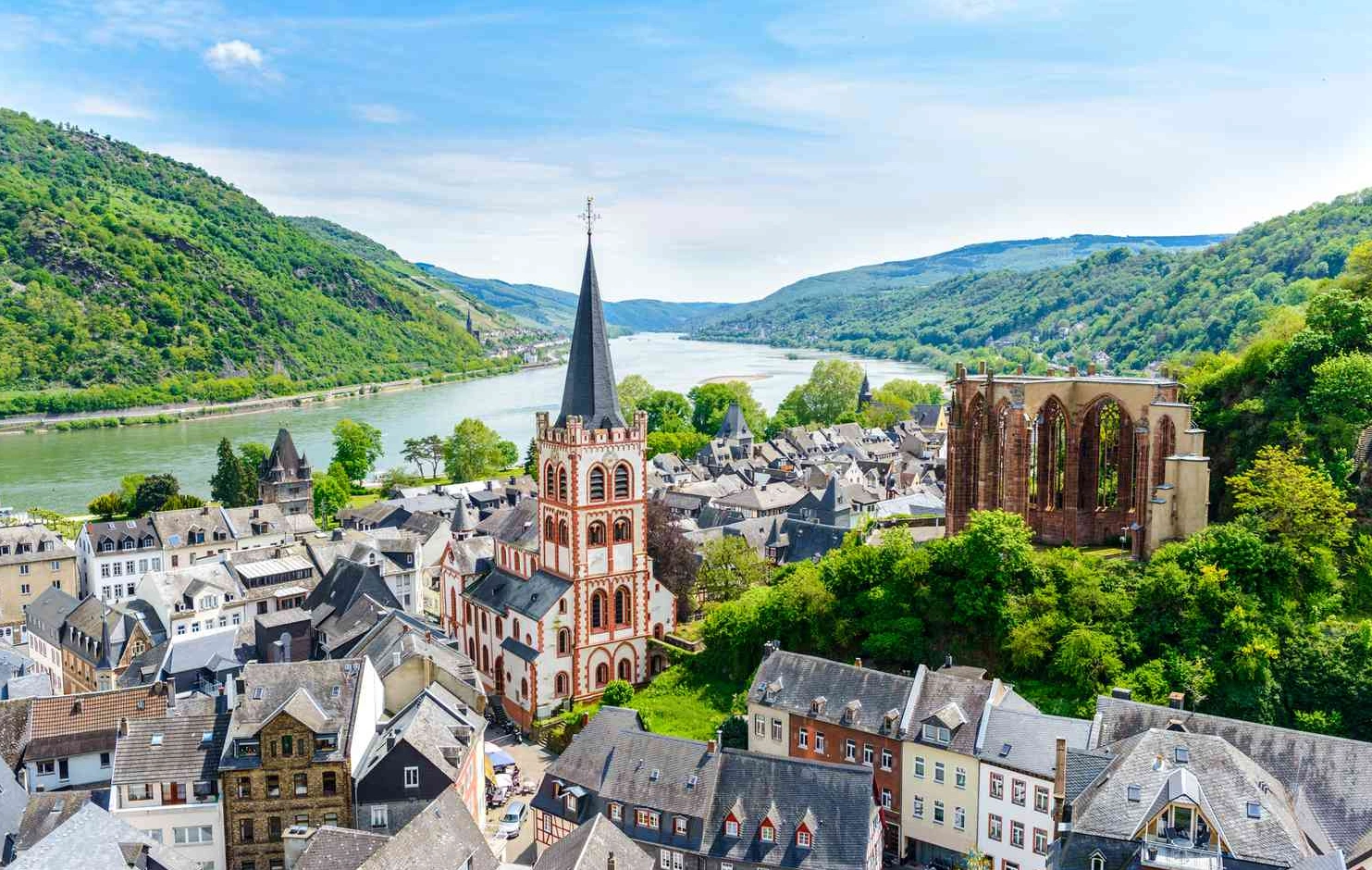
By early evening, the light along the waterfront in Lake Como begins reflecting unevenly across the water as ferries move between smaller lakeside towns. Restaurant terraces fill gradually instead of all at once. Some travelers remain near the promenade simply watching the boats arrive and leave while the mountains darken behind them.
Scenery has always shaped luxury travel in Europe, but the way travelers engage with landscapes has changed noticeably over time.
People still seek beautiful destinations, naturally. Yet many premium travelers now seem less interested in collecting famous viewpoints as quickly as possible. Instead, they prefer places where the environment unfolds gradually — through weather changes, long train routes, quiet hotel mornings, or slow coastal journeys where the scenery becomes part of everyday movement rather than a scheduled attraction.
The appeal often lies in continuity.
A coastline viewed repeatedly over several days from the same terrace. Mountain weather shifting hour by hour outside a train window. Harbor lights appearing each evening from the balcony of a small hotel overlooking the sea.
Luxury travel across Europe increasingly revolves around this slower relationship with scenery.
And certain destinations lend themselves especially well to that atmosphere.
The Norwegian Fjords and Northern Coastlines
Along the coast of Norway, luxury travel often feels shaped directly by weather and scale.
Ships move through narrow fjords beneath cliffs where waterfalls continue running even during colder months. Low clouds drift across the mountains throughout the day, sometimes reducing visibility completely before opening again an hour later to reveal villages along the shoreline. Travelers gather quietly near observation decks or lounge windows during these passages without much conversation.
The scenery demands attention naturally.
Luxury hotels across northern Norway increasingly reflect the surrounding environment rather than competing with it visually. Dark timber exteriors, wide glass walls facing the water, interiors built around warmth and acoustics rather than decorative excess.
Inside, guests settle into slower routines.
Long breakfasts while rain moves across the harbor outside. Evenings near fireplaces after coastal excursions. Quiet dinners where the changing light beyond the windows becomes part of the atmosphere itself.
The appeal of northern Europe has grown partly because these landscapes feel physically immersive rather than simply picturesque.
Travelers experience the climate directly — wind, cold air, shifting visibility, long twilight evenings during certain seasons.
The environment stays present throughout the trip.
The Adriatic Coast and Croatia’s Island Routes
Further south, the Adriatic coastline offers a very different kind of scenery.
Along the shores of Croatia, luxury travelers increasingly favor smaller coastal towns and island routes where movement between destinations happens gradually by sea. Private yachts and boutique cruise vessels continue growing in popularity here partly because the coastline itself changes constantly over relatively short distances.
Stone villages rise directly from the water. Pine-covered islands appear unexpectedly between open stretches of sea. Harbors remain softly active late into the evening while restaurants spill onto marina walkways beneath warm lighting.
In Hvar and quieter nearby islands, many luxury hotels occupy restored historic buildings rather than newly constructed resort complexes. The architecture feels integrated into the coastline instead of imposed upon it.
Guests often spend entire afternoons simply moving between terraces, waterfront cafés, and shaded swimming areas while ferries cross the horizon in the distance.
The scenery here works less through dramatic scale and more through texture and atmosphere.
Salt air settling onto stone pathways. Reflections moving across harbor walls late at night. The changing color of the sea depending on cloud cover and time of day.
Small details accumulate slowly.
Alpine Rail Journeys Through Switzerland
Luxury rail travel through Switzerland remains one of Europe’s most visually immersive experiences, especially for travelers who prefer scenery experienced gradually rather than all at once.
Panoramic train routes pass through alpine valleys, lakeside villages, forests, and mountain tunnels over the course of several hours. Weather shifts constantly at higher elevations. Bright sunlight can disappear into snow or fog within minutes.
Passengers settle into the movement itself.
Dining cars remain active through long stretches of countryside while travelers watch waterfalls and steep ridgelines pass outside the windows. Some routes climb slowly enough that changes in elevation become physically noticeable.
The luxury lies partly in uninterrupted observation.
Unlike air travel, rail journeys allow landscapes to reveal themselves continuously. Travelers notice transitions between regions — architecture changing subtly from village to village, forests thinning at higher elevations, rivers widening or narrowing alongside the tracks.
Premium train cabins increasingly emphasize comfort over formality. Soft lighting, wide seating, quiet interiors, and dining spaces designed for lingering conversation all contribute to the slower atmosphere.
Many travelers now plan entire itineraries around these scenic routes rather than treating them simply as transportation.
Mediterranean Islands and Softer Landscapes
Across Greece and coastal Italy, luxury travel often centers around softer, more repetitive scenery that gradually shapes the mood of a trip.
Small islands especially encourage this kind of attention.
In places like Paros, the landscape remains relatively simple — white buildings, dry hillsides, narrow harbor streets, open sea views — yet the atmosphere changes subtly throughout the day.
Morning light reflects sharply against stone surfaces. Afternoon heat slows movement almost completely. By evening, cooler air returns and restaurants begin filling gradually along the waterfront.
Luxury accommodations increasingly respond to these environmental rhythms.
Terraces are designed around shade and airflow. Outdoor lounges remain comfortable well after sunset. Interior palettes rely heavily on natural materials that soften bright coastal light instead of competing with it visually.
Travelers often spend surprisingly little time moving around these destinations once they arrive.
The scenery works through familiarity and repetition rather than constant novelty.
The French Riviera Beyond Peak Season
The French Riviera still carries an association with visible glamour, but many luxury travelers now prefer visiting during quieter months when the coastline feels more spacious and locally grounded.
In parts of France, autumn and early spring reveal a calmer version of Mediterranean luxury. Beaches empty earlier in the evening. Coastal roads become quieter. Harbors return to a more natural pace after summer crowds fade.
Cities like Nice and smaller nearby towns regain a sense of ordinary daily life that many travelers find more appealing than peak-season spectacle.
Luxury hotels remain active, though the atmosphere softens considerably.
Breakfast terraces stay quiet longer into the morning. Restaurant reservations become easier to secure. Travelers spend more time walking coastal promenades or sitting near the water without feeling surrounded by constant activity.
The scenery itself changes too.
Winter light along the Riviera tends to feel cooler and clearer than midsummer haze. The sea appears darker. Wind becomes more noticeable along the shoreline.
For many travelers, these seasonal shifts make the region feel more visually interesting and emotionally relaxed.
Scenic Resorts Designed Around Environment
Across Europe generally, premium resorts increasingly prioritize environmental integration rather than dramatic architectural statements.
Along coastlines in Portugal and parts of southern Spain, luxury properties now often follow existing terrain instead of flattening it completely. Buildings sit lower against hillsides. Native plants remain visible throughout outdoor spaces. Pools and terraces are positioned to capture natural light and ocean airflow rather than maximize visibility alone.
These choices affect how travelers experience scenery physically.
Guests spend more time outdoors because the environments feel comfortable throughout the day. Wind, temperature, and changing light become noticeable parts of the experience rather than inconveniences removed entirely through technology.
The strongest luxury destinations now tend to frame scenery rather than overpower it.
Wide windows facing open water. Quiet lounge spaces overlooking mountains or harbors. Restaurants designed around sunset light without turning it into theatrical performance.
The environment remains central.
Landscapes That Stay With People
Luxury travelers often remember landscapes less as isolated views and more as atmospheres connected to movement and routine.
A ferry crossing through the Adriatic at dusk.
Morning fog lifting gradually over a Norwegian harbor.
An alpine train route continuing through snowfall while dinner service moves quietly through the carriage.
These moments stay memorable partly because they unfold naturally instead of arriving all at once.
Scenic travel across Europe increasingly favors destinations where travelers can remain inside the landscape long enough for smaller details to emerge — changing weather, shifting light, harbor sounds late at night, reflections across water during breakfast.
Not every beautiful place creates that feeling.
But the destinations that do tend to remain with people long after the trip itself ends.
FAQs
Why are scenic rail journeys becoming more popular with luxury travelers?
Rail travel allows passengers to experience landscapes gradually and comfortably while avoiding many of the stresses associated with airports and short regional flights.
Are quieter coastal destinations replacing famous luxury hotspots?
Not entirely, but many travelers now prefer smaller towns and island destinations where scenery feels more immersive and less crowded.
What makes a scenic destination feel luxurious today?
Comfort, atmosphere, thoughtful design, slower pacing, and strong environmental connection often matter more than large-scale spectacle or highly formal experiences.