The coastline appears gradually from the air.
At first it is only a thin change in color beneath the clouds — darker blue shifting toward pale green near the shore — but within minutes small harbors begin to form clearly below the aircraft window. Ferries leave narrow white trails across the water. Apartment buildings cluster near marina districts. Farther inland, the landscape becomes softer and quieter.
Many travelers remain awake for this part of the descent, even on overnight flights.
Business class cabins tend to settle into near silence before landing. Window shades lift one by one. Coffee service resumes quietly. Phones reconnect to local networks while the coastline grows larger beneath scattered morning light.
Ocean travel still carries a different psychological pace than inland travel. Arrivals feel more gradual. Schedules loosen slightly. Even major port cities seem calmer when approached from the water or from coastal air routes instead of crowded highways.
That slower transition has become increasingly important within modern private travel culture.
People are not only choosing destinations anymore. They are paying closer attention to how movement itself feels between places — the quality of light during arrival, the atmosphere inside quieter terminals, the view from a hotel terrace after a long flight, the sound of harbor activity drifting through partially open balcony doors late at night.
The appeal rarely comes from extravagance alone.
Most experienced travelers can recognize the difference between environments designed to impress and environments designed to be lived in comfortably for several days. The latter often leaves the stronger impression.
Coastal Arrivals and the Shift Toward Smaller Luxury Environments
Large tourism centers still attract attention, but many premium travelers now lean toward smaller coastal settings where privacy feels more natural rather than carefully staged.
Along parts of southern Italy, Croatia, and the Balearic Islands, travelers increasingly arrive through secondary airports or private marina transfers instead of major cruise terminals. The atmosphere changes immediately. Smaller arrival halls. Less polished noise. Drivers waiting near stone courtyards instead of massive pickup lanes.
Outside, coastal weather shapes everything.
In Mediterranean regions, mornings often begin cool and bright before temperatures rise sharply by midday. White hotel walls reflect sunlight across narrow streets. Restaurant terraces remain partially shaded beneath canvas awnings while fishing boats return slowly toward harbor markets.
Travelers tend to settle into these environments quickly because the scale feels manageable.
You can walk between cafés, marina promenades, boutique hotels, and waterfront restaurants without constantly organizing transportation. The travel experience becomes more spatially connected. People notice more when movement slows slightly.
A waiter adjusting tables before lunch service. Laundry shifting from apartment balconies above narrow alleys. Salt drying against metal railings after overnight wind moved through the harbor.
Those details often stay in memory longer than heavily planned excursions.
Oceanfront Accommodations Designed for Longer Stays
Premium coastal accommodations have also changed noticeably in recent years.
Older luxury hotels often emphasized grand entrances and formal interiors. Many modern oceanfront properties now focus more on residential comfort, especially for travelers staying longer than a weekend.
Rooms feel softer and quieter.
Natural fabrics replace heavier decorative materials. Sliding glass walls remain partially open throughout the day. Oak flooring, textured stone, linen upholstery, matte metal finishes, and indirect lighting create spaces that feel calmer during extended stays.
The most appealing suites are not always the largest ones.
Sometimes the strongest impression comes from proportion and positioning instead — a terrace facing directly toward open water, morning sunlight crossing pale wood floors, or a dining table placed close enough to hear low harbor sounds drifting upward during dinner.
Private villas across Greece, coastal Portugal, and parts of Southeast Asia increasingly follow this same approach. Outdoor living spaces matter as much as interior design now. Travelers spend entire afternoons moving between shaded terraces, plunge pools, outdoor showers, and sea-facing lounges without leaving the property.
The atmosphere shifts subtly throughout the day.
Early mornings tend to feel almost still. Staff move quietly through gardens preparing breakfast service. Water remains flat before afternoon wind develops offshore. By evening, lighting softens across coastal hillsides while small boats return gradually toward marinas below.
Private Ocean Travel Beyond Traditional Cruises
Ocean travel itself has become more varied.
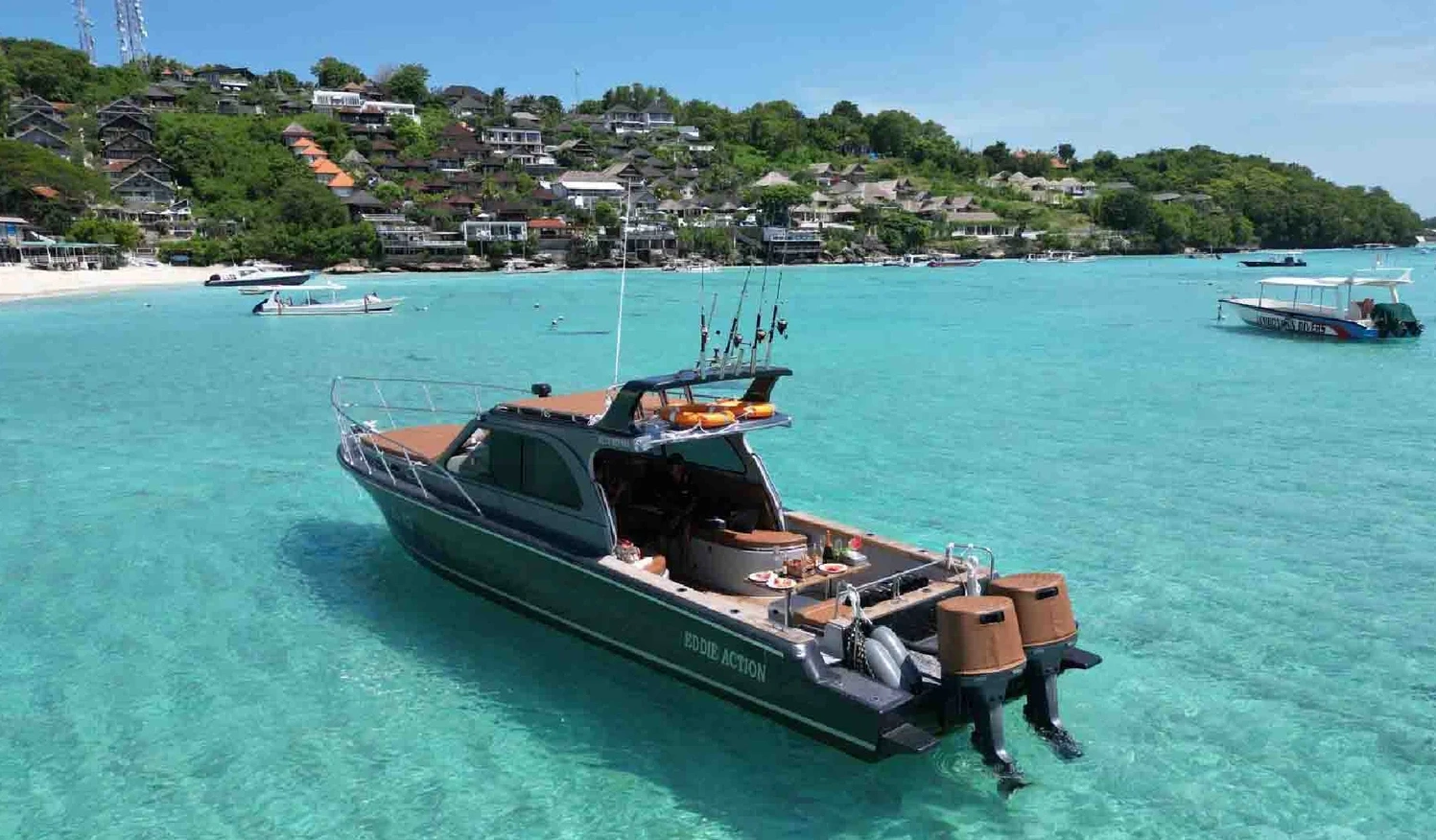
While large luxury cruise ships continue operating successfully, many travelers now prefer smaller private voyages that feel less structured socially. Boutique yachts, expedition vessels, and limited-capacity coastal ships have grown increasingly popular among travelers seeking quieter onboard environments.
The scale changes behavior immediately.
Passengers recognize one another after a day or two. Lounge spaces remain uncrowded. Staff interactions feel less formal and more conversational. Meals unfold slowly without strict dining schedules or large entertainment programs interrupting the evening atmosphere.
On smaller vessels, weather becomes more noticeable too.
Wind patterns affect outdoor decks directly. Rain moving across distant coastlines changes visibility within minutes. During calm evenings, open-air dining areas remain active long after sunset while nearby ports glow softly against darker water.
Movement onboard also feels different compared to larger ships.
You hear more of the sea itself — low mechanical vibrations beneath wooden flooring, waves brushing lightly against the hull overnight, harbor ropes tightening during early morning docking procedures.
Some travelers specifically seek that connection now.
The Growing Appeal of Quiet Social Travel
Modern luxury travel no longer revolves entirely around visibility.
Private travel experiences increasingly favor environments where people can remain comfortable without constant activity or performance. This is especially noticeable in ocean-facing hotels, premium rail lounges, and smaller cruise vessels where social interaction happens naturally but rarely feels forced.
Afternoons often become remarkably quiet.
Guests linger in observation spaces reading or watching weather move across the coastline. Small conversations continue over wine or coffee without dominating the room. Staff circulate discreetly through lounges adjusting lighting as daylight fades outside.
The absence of pressure changes the atmosphere.
No one appears particularly concerned with documenting every moment. Phones stay face down on tables for longer stretches. Travelers drift between indoor and outdoor spaces depending on temperature, wind, or changing light over the water.
At many coastal resorts, evenings begin later than expected.
People return gradually from swimming platforms or marina walks shortly before dinner. Open-air bars fill slowly rather than all at once. Live music, when present, usually remains understated — soft piano, acoustic guitar, low jazz near the terrace.
The environment encourages observation more than stimulation.
Dining Beside the Water
Regional dining has become central to private coastal travel experiences, particularly in destinations where local ingredients shape the pace and structure of meals naturally.
Along the Mediterranean coast, lunches often extend far beyond their expected length. Seafood arrives simply prepared with olive oil, citrus, herbs, and fresh vegetables from nearby inland farms. Wine service remains relaxed. Nobody seems in a hurry to clear the table.
Ocean weather influences dining atmospheres constantly.
Wind determines whether terraces stay open. Humidity softens linen tablecloths by evening. During hotter afternoons, shaded restaurants nearest the harbor become noticeably busier while waterfront cafés remain quieter until sunset.
In northern coastal regions, interiors feel warmer and more enclosed. Restaurants along Scandinavian and Baltic routes rely heavily on wood textures, candlelight, and large windows facing darker water outside. Travelers gather slowly after cold evening walks along the harbor.
Breakfast routines differ depending on location as well.
In tropical destinations, mornings begin earlier before temperatures rise. Fresh fruit, coffee, rice dishes, and seafood appear regularly beside open-air dining areas facing calm water. In southern Europe, breakfasts stretch later into the morning with pastries, espresso, and slower conversation near marina districts.
These rhythms shape the travel experience almost as much as the destinations themselves.
Scenic Routes and Coastal Movement
Some of the most memorable private travel experiences happen between destinations rather than inside them.
Ferry crossings along the Adriatic coast. Small seaplane transfers above island chains. Rail journeys tracing ocean cliffs in Portugal or southern France. Evening drives along coastal roads after storms clear offshore.
Movement creates continuity.
Travelers observe gradual changes in architecture, weather, vegetation, and shoreline density instead of arriving abruptly through isolated tourism zones. Fishing villages shift into resort towns. Industrial ports transition toward quieter residential coastlines.
The scenery evolves naturally over time.
That slower visual progression feels increasingly valuable to travelers accustomed to compressed schedules elsewhere in life.
Even airport design reflects this trend in some regions. Coastal terminals in parts of Asia and Europe now incorporate wider observation areas, natural materials, sea-facing lounges, and outdoor terraces where possible. The transition between transportation and destination feels less abrupt.
A Softer Definition of Luxury
One of the more interesting developments in premium travel culture is how differently travelers now define luxury itself.
The emphasis has shifted away from excess toward usability and comfort. Privacy matters more than spectacle. Space matters more than decoration. Ocean views are appreciated not because they appear dramatic in photographs, but because people genuinely spend time looking at them.
You notice this especially during slower hours.
Mid-afternoon light moving across empty lounge chairs. Reflections changing against marina water after sunset. The sound of dishes from distant hotel kitchens while terraces remain mostly quiet between lunch and dinner service.
Nothing particularly dramatic is happening in those moments.
Yet they often define the emotional memory of the trip afterward.
Private travel experiences built around ocean environments tend to succeed precisely because they allow space for those quieter observations to exist naturally without constant interruption.
And increasingly, that seems to be what experienced travelers value most.
FAQs
Why are smaller coastal destinations becoming more attractive to premium travelers?
Many travelers prefer environments that feel easier to navigate and less crowded. Smaller coastal destinations often provide better privacy, slower pacing, and stronger connections to local scenery and dining culture.
What makes smaller ocean voyages different from large cruise experiences?
Smaller vessels usually offer quieter social spaces, more flexible routines, and closer interaction with coastal environments. The atmosphere tends to feel calmer and less structured overall.
Do travelers spend more time inside accommodations during longer coastal stays?
Yes. Many modern travelers now choose accommodations designed for extended comfort, with terraces, outdoor seating, and ocean-facing layouts that encourage slower daily routines rather than constant sightseeing.