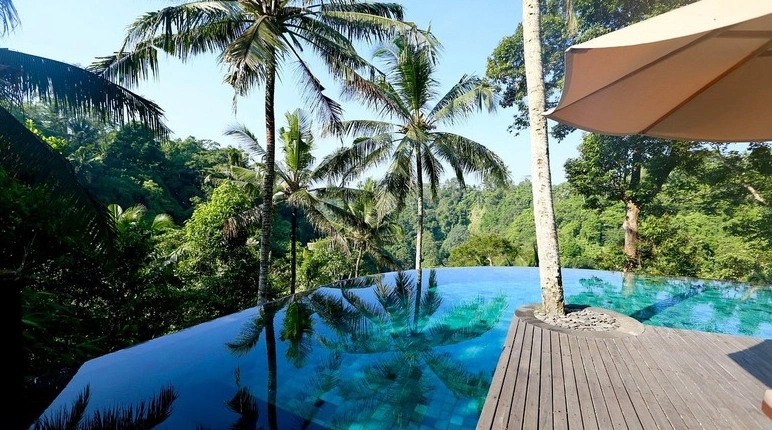
There is a particular moment that tends to happen somewhere around the second or third day of a well-designed trip. It usually arrives quietly.
A traveler who spent the first morning checking emails beside coffee suddenly leaves the phone untouched for an hour. Breakfast stretches longer. Conversations slow down. The body adjusts before the mind fully notices it.
On certain ocean voyages, this shift becomes visible in small ways. People linger near observation decks after dinner instead of returning immediately to their suites. A few passengers return to the same corner lounge every afternoon without discussing it beforehand. Staff members begin recognizing routines before guests say anything at all.
The surroundings matter, of course. Open water helps. Soft lighting helps. Good architecture helps more than most travelers realize. But the deeper reason luxury escapes often feel genuinely relaxing has less to do with extravagance and more to do with friction. The best ones quietly remove it.
Not every premium trip succeeds at this. Some resorts feel crowded despite polished interiors. Some cruises fill every hour with organized activity. Others rely too heavily on spectacle. The more memorable journeys usually operate differently. They leave room for pauses. They understand pacing. And they rarely demand attention every minute of the day.
That distinction changes the emotional tone of travel in ways that become noticeable only after spending time inside it.
The Difference Between Busy Travel and Comfortable Travel
A surprising amount of ordinary travel involves low-level logistical stress.
Airport transfers. Restaurant reservations. Crowded hotel lobbies. Noise leaking through hallways late at night. Long waits beside excursion groups. Overplanned itineraries that leave travelers exhausted before the trip is halfway finished.
Premium travel environments tend to reduce these interruptions rather than compensate for them afterward.
On smaller luxury cruise routes through the Mediterranean or Northern Europe, embarkation often feels almost understated compared to major terminals. Guests move through quieter spaces with fewer announcements and less visual clutter. Luggage disappears efficiently. Seating areas feel intentionally spaced rather than densely packed.
Even the architecture contributes to relaxation in subtle ways.
Wide corridors matter more than travelers expect. Natural materials help soften sound. Ocean-facing lounges with low lighting create a slower social atmosphere than brightly lit entertainment spaces. Wood, stone, textured fabrics, brushed metal, and layered lighting all influence how long people comfortably remain in a room.
In some coastal resorts, particularly newer properties along parts of southern Italy, Greece, or the Adriatic coastline, the design avoids overwhelming guests with constant visual stimulation. Open terraces face changing weather patterns rather than staged activity zones. Restaurants remain active late into the evening without becoming loud. Windows stay open longer. Salt air drifts through indoor spaces near the water.
None of this feels dramatic while it is happening. That is partly why it works.
Ocean Travel Changes Daily Behavior
Ocean travel creates a different relationship with time.
On land, travelers often move quickly between locations. Luxury rail journeys slow things somewhat, but cruises alter pacing more completely because movement itself becomes part of the environment rather than a transition between destinations.
Mornings at sea feel noticeably different from mornings in cities.
Light changes gradually across the water long before breakfast service begins. Early risers appear quietly in observation lounges carrying books they barely read. Coffee arrives slowly. Crew members reset outdoor seating while wind moves across empty decks still damp from overnight mist.
Later in the afternoon, activity spreads naturally across the ship instead of concentrating in one crowded area. Some passengers drift toward shaded terraces. Others remain near panoramic lounges watching weather gather along distant coastlines.
There is less urgency attached to movement.
That alone explains part of the appeal behind elegant ocean travel. People stop organizing every hour because the environment no longer rewards constant scheduling. Even shorter itineraries begin to feel longer than they actually are.
Certain scenic routes amplify this effect more than others.
The Norwegian coastline, for example, changes mood repeatedly throughout a single day. Light reflects differently across narrow fjords depending on cloud cover and elevation. Small harbor towns appear briefly between cliffs before disappearing again into fog or rain. Passengers tend to gather quietly near windows rather than speaking much during these stretches.
Mediterranean routes operate differently. Evenings remain warmer. Outdoor dining continues later. Ports feel socially active well after sunset, but ships returning to open water often become calmer by comparison. The transition itself becomes part of the routine.
Premium Accommodations Encourage Stillness
Well-designed accommodations do not constantly try to impress guests.
That may sound counterintuitive given how much luxury hospitality relies on visual presentation, but the most relaxing suites and villas are usually restrained rather than theatrical.
Large windows matter. So does sound insulation. Furniture placement matters more than decorative excess. Travelers spend more time in rooms that feel easy to inhabit rather than merely photogenic.
On higher-end expedition vessels and contemporary cruise ships, suites increasingly resemble private apartments instead of traditional cabins. Neutral fabrics soften daylight. Reading chairs face outward toward the horizon rather than toward televisions. Bathrooms use indirect lighting instead of bright reflective surfaces. Small details reduce visual fatigue.
The same pattern appears in modern resort culture.
Some of the most comfortable coastal resorts now avoid oversized lobby spaces entirely. Guests arrive through quieter entrances with direct access to gardens, terraces, or ocean-facing walkways. Pools are often positioned away from primary dining areas instead of functioning as central entertainment hubs.
Travelers respond to this design language almost immediately, even if they never consciously identify it.
At certain resorts along the Amalfi Coast or the Balearic Islands, late afternoons settle into a rhythm that feels social without becoming performative. Small groups gather for aperitifs near the water. Others remain alone with books or wine beneath shaded terraces. Staff circulate calmly without constant interruption.
People stay longer in spaces where they do not feel observed.
Dining Feels Different When Time Slows Down
Regional dining experiences shape the emotional memory of travel more than many itineraries themselves.
Not because every meal is extraordinary. Usually the opposite.
The most relaxing luxury escapes often include surprisingly simple meals served in environments that encourage people to remain seated long after plates are cleared. Lighting matters here again. So does pacing.
Along coastal Portugal or southern France, dinners near the water tend to unfold gradually. Tables reset slowly between seatings. Conversations overlap softly with harbor sounds. Seafood arrives without elaborate presentation. Wine service feels attentive but unhurried.
On luxury ocean voyages, breakfast routines become especially revealing.
Some passengers settle into identical schedules every morning by the second day onboard. A quiet table near the windows. Fresh fruit. Newspapers left folded beside untouched pastries. Crew members remembering preferred tea orders before guests ask.
These routines sound ordinary because they are ordinary. That familiarity is part of what makes them restorative.
Travel becomes tiring when every interaction feels transactional or overly managed. Relaxation often appears through repetition instead.
Even onboard dining spaces reflect this shift. The most comfortable restaurants onboard modern luxury vessels rarely feel crowded despite serving large numbers of people. Seating layouts absorb sound well. Lighting transitions naturally between afternoon and evening. Ocean views remain visible without dominating the room.
Outside weather influences the atmosphere too. Rain against glass changes dinner service entirely. Wind across upper decks empties outdoor seating early. Colder evenings pull passengers toward interior lounges with darker wood finishes and lower ceilings.
These environmental shifts create texture inside the journey itself.
Quiet Social Spaces Matter More Than Entertainment
One overlooked detail in premium travel is the importance of spaces where nothing specific is happening.
Luxury hospitality once focused heavily on visible activity: performances, events, nightlife programming, organized social interaction. Many travelers now seem drawn toward environments offering the opposite.
Libraries onboard ships remain unexpectedly popular. So do observation lounges during bad weather.
At certain resorts, the most used areas are not pools or restaurants but transitional spaces — covered terraces, garden walkways, shaded courtyards near the sea. Places where people can sit without obligation.
There is comfort in environments that allow partial participation.
A traveler can sit alone near a piano bar without joining the crowd. Someone else can watch harbor traffic from an upper deck for an hour without needing entertainment. Couples linger beside outdoor heaters after dinner simply because the temperature remains pleasant enough to stay outside.
The social atmosphere becomes softer when people are not constantly directed toward activity.
This may explain why refined travel lifestyles increasingly favor smaller ships, lower-density resorts, and routes with longer stays between destinations. Travelers appear less interested in collecting locations than in experiencing sustained comfort within them.
Not permanently. Just briefly.
Scenic Routes Create Mental Distance
Physical scenery changes how travel feels, but slower transitions between landscapes matter just as much.
A helicopter transfer can be impressive. A coastal voyage unfolding gradually over several hours often leaves a stronger emotional imprint.
Part of this comes from observation.
Passengers notice weather moving differently across open water than across cities. Coastal villages look distinct approaching from sea level rather than highways. Even industrial harbors gain atmosphere late at night when viewed from upper decks under low light.
Certain luxury cruise destinations naturally support this slower observational style.
The Greek islands remain popular partly because distances between ports feel manageable rather than exhausting. Northern Scotland offers another version entirely — colder air, rougher water, quieter villages, fewer beach clubs, more stone harbors and weathered waterfront hotels.
The Caribbean shifts again depending on season and route selection. Smaller islands with lower ship traffic often feel calmer than larger resort ports built around constant movement. Travelers notice these differences quickly.
Good itineraries understand contrast.
After several active port days, a full day at sea suddenly feels welcome. After warm Mediterranean evenings, cooler Atlantic air changes the emotional temperature onboard almost immediately.
The environment keeps evolving without demanding effort from the traveler.
Why the Return Home Feels Different
The final days of a luxury escape often feel quieter than the beginning.
People sleep later. Conversations shorten slightly. Passengers who arrived dressed formally for every dinner appear more relaxed by the end of the voyage. Familiarity settles into the environment.
Even departures reveal whether a trip succeeded emotionally.
Some travelers leave feeling overstimulated despite beautiful surroundings. Others leave carrying a calmer mental pace back into ordinary life for at least a few days afterward.
The most restorative journeys rarely depend on excess. They rely on comfort, spacing, weather, light, thoughtful movement, and environments that allow people to stop reacting constantly.
That may be the real appeal behind modern luxury escapes.
Not status. Not spectacle.
Just relief from unnecessary friction for a little while.
Late on the final evening of many ocean voyages, observation decks begin filling again before sunset. People drift toward the railings quietly, drinks in hand, jackets folded over chairs as temperatures cool. Harbor lights appear gradually in the distance. Nobody seems in much of a hurry to leave.
The trip is nearly over by then, which may be why those moments tend to stay with people longest.
FAQs
Why do smaller luxury cruises often feel calmer than larger ships?
Smaller vessels usually spread passengers across quieter public spaces and move through less congested ports. The pace onboard often feels less scheduled, especially during sea days and evenings.
Do luxury resorts always feel more private?
Not necessarily. Some high-end resorts remain highly social and energetic. The more relaxing properties tend to focus on thoughtful layout, lower noise levels, softer lighting, and spaces that encourage guests to slow down naturally.
Why do travelers often remember onboard routines so clearly?
Repeated habits — morning coffee near the windows, evening walks on deck, familiar dining tables — create a sense of comfort that contrasts with everyday schedules back home. Small routines often shape the emotional memory of a trip more than major excursions do.