Cities Viewed Best From the Water
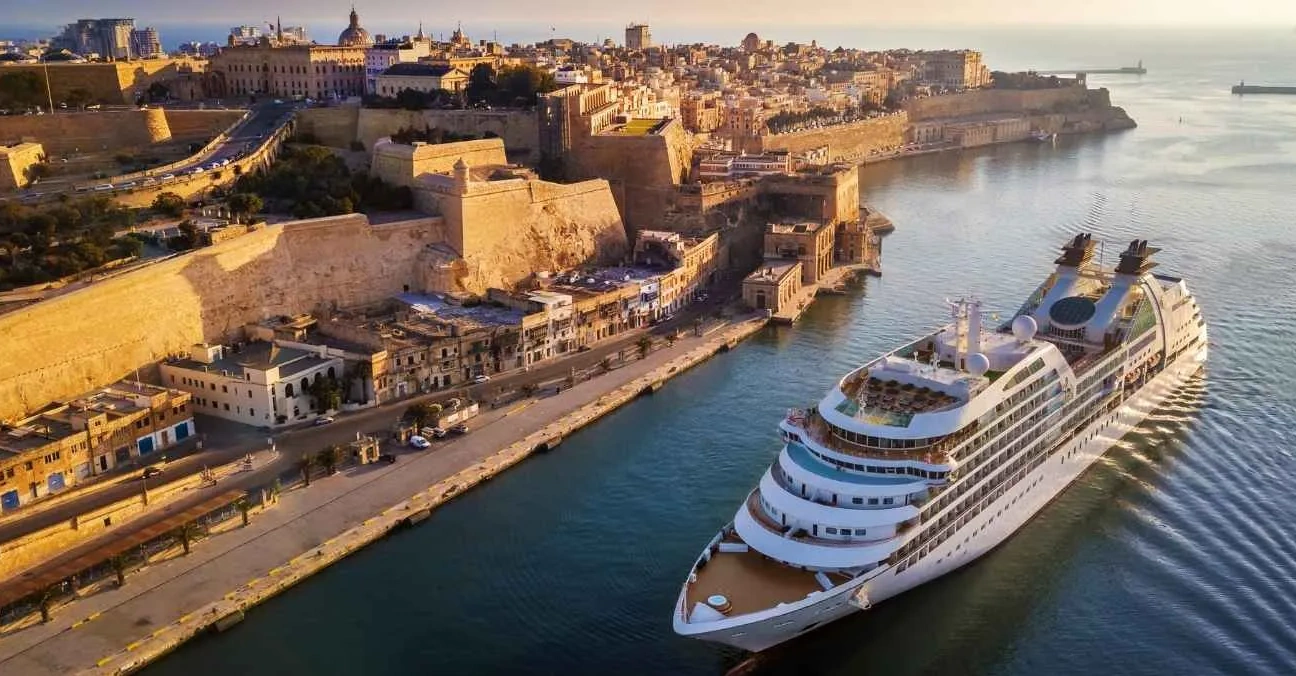
Some European cities reveal themselves gradually from inland streets. Others make their strongest impression from the harbor.
Arriving by ship changes perspective immediately. Waterfront districts unfold slowly rather than appearing all at once through airport terminals or train stations. Church towers rise above the shoreline. Apartment balconies catch early sunlight. Ferries move quietly across the harbor while cafés along the water begin setting out chairs for the morning.
Passengers usually wake earlier during harbor arrivals.
Curtains open before sunrise. Balcony doors slide back despite cooler air. People gather quietly near observation decks carrying coffee cups and cameras they often stop using after a few minutes. Watching a city emerge from the water encourages slower attention than most forms of arrival allow.
Luxury harbor destinations across Europe continue attracting experienced travelers because they combine urban energy with the calmer pacing of ocean travel itself.
The transition between ship and city feels fluid.
You can spend the morning walking through crowded waterfront markets or historic districts, then return by late afternoon to quieter lounges and open decks while the harbor slowly fades behind the ship again.
That contrast becomes part of the appeal.
Venice and the Beauty of Slow Arrival
Few arrivals in Europe feel as visually layered as Venice from the water.
Even before reaching the historic center, smaller islands begin appearing beside the ship. Church domes emerge through morning haze. Water taxis cross constantly between canals while cargo boats deliver supplies through narrow waterways already active before sunrise.
Passengers rarely stay indoors during these approaches.
Observation decks fill quietly. Conversations soften almost automatically. The city’s relationship with water becomes impossible to ignore once the ship moves slowly past old stone facades reflecting pale light across the lagoon.
Luxury travel in Venice increasingly centers around timing and atmosphere rather than constant activity.
Early mornings remain the calmest hours. Smaller cafés near less crowded canals feel entirely different from busier tourist corridors later in the afternoon. Travelers often return to the ship temporarily during midday simply to escape the density of the city before heading back ashore again in the evening.
At sunset, Venice changes once more.
Warm light settles unevenly across the buildings while water traffic continues beneath the bridges long after most visitors begin leaving the streets behind.
Quiet Corners Beyond the Main Routes
Experienced travelers rarely spend all day along Venice’s busiest walkways.
Smaller residential neighborhoods reveal a slower version of the city. Laundry hangs above narrow canals. Grocery deliveries arrive by boat. Elderly residents pause outside shaded doorways while tourists gradually disappear farther from the central landmarks.
Cruise passengers who explore these quieter areas often return onboard differently.
Less hurried. More observant. More aware of how closely the city still functions alongside its tourism economy.
That balance between spectacle and ordinary daily life exists throughout many European harbor cities.
Monte Carlo and the Mediterranean Coast
Monte Carlo approaches luxury from a very different angle.
The harbor itself feels structured around visibility — polished yachts, steep hillsides lined with apartments, terraces overlooking the marina from nearly every direction. Even the sunlight appears sharper there during summer months, reflecting intensely across the water and white stone buildings.
Ships arriving along the Riviera usually dock close enough for passengers to watch the city waking up in stages.
Joggers move along the waterfront before breakfast. Hotel terraces begin filling slowly by midmorning. Smaller boats leave the marina while cafés prepare for the afternoon crowds arriving from surrounding coastal towns.
Yet despite its polished reputation, the atmosphere aboard luxury cruise ships docked here often remains calmer than expected.
Many passengers avoid rushing into the city immediately. Instead, they linger over breakfast on private balconies or observation decks while the coastline stretches quietly toward Nice, Cannes, and smaller towns beyond the harbor.
The Mediterranean encourages that slower pacing.
Coastal Evenings Along the Riviera
Departures from southern France tend to stay memorable for subtle reasons rather than dramatic ones.
As ships leave port, beach clubs continue operating along the shoreline. Apartment lights appear gradually above the hillsides. Restaurants remain busy outdoors long after sunset while the coastline recedes almost imperceptibly into darkness.
Passengers often stay outside longer during these evenings.
Warm air softens the atmosphere across the upper decks. Music drifts lightly from open lounges without overpowering the surrounding sound of water and distant harbor traffic. Conversations stretch casually between dinner and midnight.
The Riviera rarely feels rushed from the sea.
Copenhagen and Northern Harbor Culture
Northern European harbor cities create an entirely different mood.
Copenhagen, in particular, balances working harbor life with contemporary design unusually well. Ferries, cargo vessels, cyclists, waterfront cafés, and residential neighborhoods coexist within remarkably organized spaces that still feel lived-in rather than overly polished.
Cruise arrivals there tend to feel calm from the beginning.
Passengers notice clean lines, muted colors, and quieter waterfront movement compared to southern Europe. Even busy harbor areas maintain a certain restraint. Outdoor seating fills steadily rather than chaotically. Waterways remain active without feeling crowded.
Luxury in these cities often appears through subtle details.
Good materials. Thoughtful lighting. Spacious public design. Comfortable pacing.
Travelers respond differently in these environments. People walk more slowly along the harbor. Long lunches stretch indoors near large windows overlooking the water. Evenings center around restaurants, smaller cocktail bars, and quiet waterfront terraces instead of loud nightlife districts.
Scandinavian Light and Waterfront Living
Light behaves differently across Scandinavia.
Summer evenings remain bright far later than expected, creating long stretches of soft illumination over the harbor while boats continue moving across the water well past traditional sunset hours.
Passengers staying aboard during these evenings often gather near panoramic lounges simply to watch the changing sky.
There is little urgency onboard during northern sailings. Travelers settle naturally into slower routines between ports — reading near windows, returning repeatedly to the same café spaces, standing quietly along railings during departures.
The harbor cities themselves reinforce that atmosphere.
Dubrovnik and the Adriatic Coast
Approaching Dubrovnik from the sea still carries a sense of visual drama, though the strongest impressions often come from smaller surrounding details rather than the city walls themselves.
The Adriatic light feels sharper and drier than northern Europe. Hillsides rise directly behind the coastline. Small boats move continuously between marinas while older stone buildings reflect late afternoon sunlight across the harbor.
Cruise passengers usually arrive early enough to see the city before peak daytime crowds fully build.
Those quieter hours matter.
Cafés open slowly near the harbor entrances. Narrow side streets remain shaded. Laundry hangs between residential windows above pathways tourists rarely notice later in the day.
From the ship, the coastline continues stretching outward toward smaller Adriatic islands and coastal towns where the pace softens considerably.
Many luxury itineraries now include overnight or extended Adriatic stops precisely because travelers increasingly prefer spending more time within fewer destinations.
Smaller Adriatic Harbors
The Adriatic’s smaller ports often leave stronger impressions than the famous ones.
Places along the Croatian coast and Montenegro maintain working harbor atmospheres where fishing boats still share waterfront space beside luxury yachts and visiting cruise vessels. Local markets continue operating near the docks. Evening conversations drift across narrow waterfront promenades after the heat finally fades from the stone streets.
Passengers returning to the ship after these evenings usually move quietly.
The sea remains calm. Harbor lights reflect sharply across the water. Music from shoreline restaurants carries faintly toward the outer decks long after departure.
These smaller coastal environments feel intimate without trying to appear exclusive.
Lisbon and Atlantic Light
Lisbon changes constantly depending on weather and time of day.
Approaching from the Atlantic, the city rises gradually along steep hillsides above the river while suspension bridges and old waterfront districts emerge beneath shifting sunlight. Morning fog sometimes softens the skyline completely before lifting within an hour.
Passengers tend to spend longer on balconies during Lisbon arrivals.
The city rewards observation from a distance first. Trams begin moving through the hills. Ferries cross the river steadily. Rooftops brighten unevenly beneath changing cloud cover while the harbor remains active from early morning onward.
Atlantic harbor cities carry a broader atmosphere than enclosed Mediterranean ports.
Wind feels stronger. Water appears darker. Weather changes faster. Even onboard life adjusts slightly during these routes. Lounges stay busier during rougher sea conditions while outdoor decks empty and refill according to shifting wind patterns throughout the day.
Evening Departures Toward Open Ocean
Leaving Lisbon at night feels distinctly different from Mediterranean departures.
The city stretches farther along the shoreline before finally disappearing into darkness behind the ship. Bridge lights remain visible for long periods. Cargo traffic continues steadily toward the Atlantic while passengers settle gradually into quieter evening routines onboard.
Longer ocean crossings often begin from these ports.
You can feel the transition almost immediately once the coastline fades and open water takes over entirely.
Harbor Life and Modern Luxury Travel
Luxury harbor destinations remain important partly because they connect travelers directly to the original purpose of coastal cities themselves.
Trade, movement, weather, migration, fishing, architecture, and daily routines all remain visible around the water. Harbors are rarely static environments. They continue functioning even while tourism moves around them.
Passengers notice this more clearly arriving by ship.
You see workers preparing docks before sunrise. Ferries operating through bad weather. Restaurants receiving deliveries while the city still sleeps. Waterfront apartments opening windows above active marinas.
Travel feels grounded in real environments rather than isolated resort zones.
That realism increasingly appeals to experienced luxury travelers who value atmosphere and continuity more than heavily curated tourism experiences.
The strongest European harbor destinations do not try too hard to impress visitors.
They simply allow travelers enough time to observe how the city and the water continue shaping one another every day.
From the deck of a ship moving slowly toward open sea again, that relationship becomes impossible to miss.
FAQs
Which European harbor cities are best experienced by cruise ship?
Venice, Lisbon, Dubrovnik, Copenhagen, and ports along the French Riviera are especially admired for their scenic approaches and strong connection between city life and the water.
Are overnight stays common in luxury European cruises?
Increasingly, yes. Many premium itineraries now include extended harbor stays or overnight docking to allow travelers more time ashore without rushing between destinations.
Why do harbor arrivals feel different from airport arrivals?
Cruise arrivals unfold gradually, allowing travelers to observe coastlines, architecture, harbor activity, and changing light before entering the city itself.