Travelers Want More Than Short Vacations Now
Luxury travel has gradually shifted away from fast itineraries and tightly packed schedules.
For many travelers, the appeal of modern resort living is no longer tied only to indulgence or status. Increasingly, people are looking for environments where daily life itself feels calmer, more spacious, and easier to inhabit for extended periods of time.
The strongest resorts understand this clearly.
Guests are not only searching for beautiful rooms or dramatic scenery anymore. They want places where mornings feel unhurried, outdoor space remains usable throughout the day, and ordinary routines — coffee, reading, dinner, walking near the water — become noticeably more enjoyable.
That emotional shift explains much of the rise in luxury resort living over the last several years.
Travelers increasingly value atmosphere over activity.
The pace of everyday life outside the resort has become louder, faster, and more fragmented. Coastal resorts, island retreats, and residential-style luxury properties offer an alternative rhythm many people realize they have been missing.
Resort Design Feels More Residential
One major reason luxury resort living feels more appealing now is because the design itself has changed.
Older luxury hotels often emphasized formality and visual spectacle. Large lobbies, dramatic architecture, polished surfaces, and highly structured public spaces shaped the atmosphere. Modern resorts increasingly move in the opposite direction.
Spaces feel softer. Calmer. More livable.
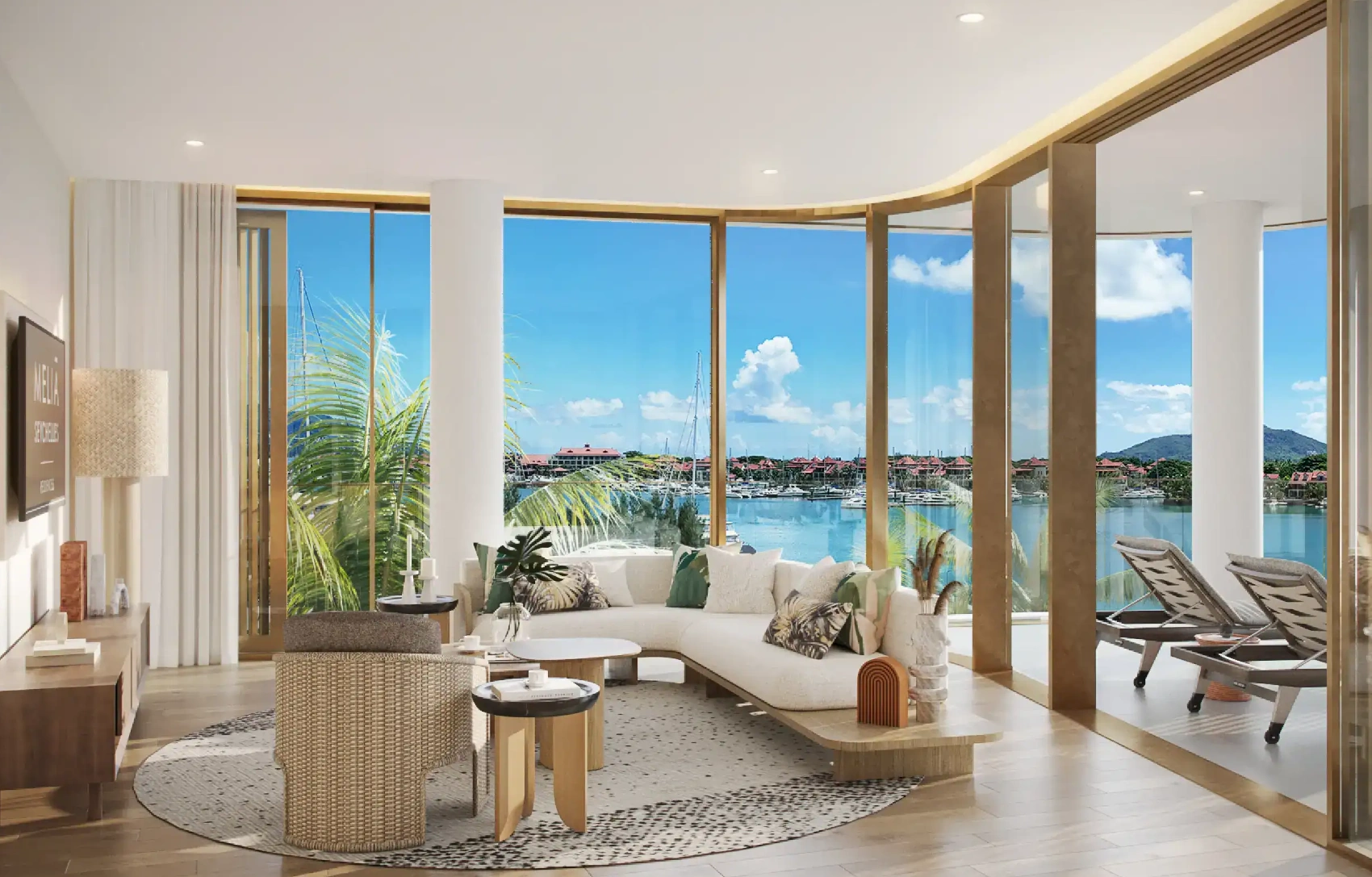
Rooms resemble contemporary coastal residences rather than temporary hotel accommodations. Open-air lounges replace heavily enclosed interiors. Lighting stays warm and indirect. Furniture encourages long periods of actual use instead of decorative presentation.
Guests settle into these environments quickly because they feel intuitive rather than performative.
Rooms Designed for Staying Longer
Modern luxury travelers often spend far more time inside the resort itself than before.
As a result, accommodations now prioritize comfort during ordinary routines rather than simply impressive first impressions. Seating areas face the ocean. Outdoor terraces function like extensions of the room instead of decorative balconies. Bathrooms use natural light whenever possible.
The strongest resorts support daily life gracefully.
Guests work remotely beside the water for several hours, then move directly into sunset drinks outdoors without leaving the property. Couples spend rainy afternoons reading near open windows while weather moves across the coastline outside.
The room becomes part living space, part retreat.
That flexibility matters more than visible extravagance for many travelers today.
Open-Air Living Returns
Climate and architecture increasingly shape modern luxury travel culture.
Resorts in tropical regions, Mediterranean coastlines, and warmer island destinations now emphasize outdoor life heavily. Restaurants remain open to sea air. Spa areas overlook beaches or gardens. Pathways move naturally through the landscape rather than enclosing guests inside large structures.
People respond strongly to this openness.
They sleep differently. Eat more slowly. Spend longer periods outdoors without consciously planning to do so.
The body relaxes into the environment naturally.
Coastal Resorts Support Slower Routines
One reason luxury resort living continues growing is because coastal environments change daily behavior almost automatically.
The ocean softens schedules.
Breakfast begins earlier because sunlight arrives unobstructed across the water. Lunch extends later into the afternoon beneath shaded terraces. Evening conversations last longer outdoors because the temperature remains comfortable after sunset.
Weather becomes visible again.
Rain crossing the horizon. Wind moving through outdoor curtains. Boats returning slowly toward the harbor in late afternoon light. These environmental details pull attention outward instead of constantly toward screens, traffic, or schedules.
Travelers increasingly appreciate this kind of sensory realism.
The Appeal of Doing Less
Luxury resort living also reflects a broader cultural shift around rest itself.
Many travelers no longer want vacations built entirely around constant movement, sightseeing, or activity schedules. They prefer environments where inactivity feels comfortable instead of wasteful.
Reading beside the pool for several hours. Watching changing weather from a balcony. Taking long walks near the beach without specific destination or timeline.
These experiences sound simple because they are.
But simplicity has become surprisingly valuable.
Modern luxury increasingly depends on removing friction rather than adding stimulation.
Sea Views and Open Horizons
Oceanfront resorts remain especially popular because open horizons create emotional space many travelers rarely experience elsewhere.
Cities compress attention constantly. Buildings interrupt distance. Coastal environments allow the eye to rest farther outward.
Passengers arriving at beachfront resorts often spend their first day simply looking at the water.
Cloud patterns. Reflections shifting across the sea. Fishing boats moving offshore. Light changing slowly during the afternoon.
The visual openness itself feels restorative.
Wellness Without Performance
The rise of luxury resort living also connects closely to changing ideas around wellness.
Travelers still value spas, fitness areas, and wellness programs, but increasingly they prefer environments where relaxation happens indirectly through atmosphere rather than structured performance.
Resorts now integrate wellness into ordinary daily life more subtly.
Outdoor yoga decks face the ocean instead of mirrors. Spa lounges remain open to sea breeze and natural light. Walking paths follow the coastline rather than enclosed gardens.
Guests participate casually.
A morning swim before breakfast. Reading after a massage. Quiet evenings outdoors after long afternoons near the beach.
The experience feels organic instead of heavily branded.
Sleep, Climate, and Natural Rhythm
Luxury resort living often improves rest in practical ways.
Guests spend more time outside during daylight hours. Screen exposure decreases naturally. Meals happen at slower pace. Ocean sounds replace traffic or urban noise.
Sleep patterns often shift after several days.
People wake earlier without alarms. Afternoon fatigue softens. Evening routines become calmer because there are fewer transitions and interruptions throughout the day.
These physical changes help explain why longer resort stays continue growing in popularity.
Privacy Matters More Than Spectacle
Modern luxury travelers increasingly value privacy over visibility.
Large crowded resorts with constant activity and social performance no longer appeal to everyone in the same way they once did. Smaller properties, private villas, hidden coastal retreats, and quieter beachfront environments now attract travelers looking for emotional space rather than entertainment density.
The strongest resorts support this quietly.
Pathways remain uncrowded. Loungers sit farther apart. Restaurants avoid excessive noise or lighting. Villas feel separated naturally by landscape rather than isolated artificially.
Guests move through the property without feeling constantly observed.
That emotional comfort defines modern luxury increasingly well.
Smaller Resorts Feel More Human
Many travelers now prefer smaller luxury properties because they feel manageable.
Staff recognition happens naturally after only several days. Public spaces remain calm. Guests settle into routines more quickly because the environment feels consistent and easy to navigate.
The atmosphere becomes residential rather than transactional.
People return to the same breakfast table each morning. Evening drinks happen in familiar corners overlooking the water. Conversations unfold slowly because there is nowhere urgent to go afterward.
This familiarity creates emotional ease.
Resort Living and Remote Work Culture
Another major factor behind the rise of luxury resort living is the changing relationship between work and travel.
Many travelers can now stay longer in destinations because remote work allows greater flexibility. Resorts have adapted quickly by creating environments where guests can comfortably balance work, relaxation, and extended stays without feeling disconnected from either.
Quiet lounges, reliable connectivity, shaded outdoor workspaces, and residential-style accommodations all support this shift.
People no longer view resorts only as short-term escapes.
They increasingly treat them as temporary living environments.
The Rise of Longer Stays
Longer resort stays naturally change traveler behavior.
Guests stop trying to maximize every hour. Familiar routines develop. The destination itself feels less like a checklist and more like part of daily life temporarily.
Travel slows down.
That slower pace aligns strongly with what many modern luxury travelers now want from their experiences overall.
Why Resort Living Feels So Appealing Now
Luxury resort living continues trending because it answers several modern pressures simultaneously.
People want comfort without formality. Privacy without isolation. Beautiful environments without rigid schedules. Space without excessive stimulation.
The strongest resorts provide these things quietly.
They allow guests to wake slowly near the water, move outdoors throughout the day, eat well without ceremony, observe changing weather, and sleep deeply without constant interruption.
Nothing about the experience needs to feel dramatic.
Guests often leave remembering small moments most clearly.
Coffee beside the ocean before sunrise. Rain cooling the terrace during lunch. Warm evening air drifting through open doors at night. Long afternoons where almost nothing happened except reading and watching the horizon.
Those memories remain powerful precisely because they feel believable.
Luxury resort living succeeds when it gives travelers enough calm space to notice ordinary pleasures again.
For many people now, that feels increasingly rare outside the coastline.