The Distance Feels Psychological as Much as Physical
Island travel changes attention almost immediately.
Part of it comes from geography, of course. Water creates separation naturally. Airports disappear behind the coastline. Roads narrow. Noise softens. Even the air feels different once travelers step onto smaller islands where the ocean surrounds daily life completely.
But the stronger shift is often mental.
Schedules loosen faster on islands. Guests stop checking the time as frequently. Long pauses begin feeling acceptable again. Mornings stretch quietly while light moves across the shoreline outside the room.
Modern travelers increasingly seek these environments because everyday life elsewhere rarely allows this kind of sustained calm anymore.
Peaceful island retreats offer something simpler than spectacle. They provide enough distance from ordinary routines for people to settle into slower forms of observation again.
Watching weather move offshore. Listening to harbor sounds late at night. Sitting outside after dinner without needing another plan afterward.
These experiences sound small, yet they stay memorable precisely because they feel so unforced.
Islands Designed Around Quiet Space
The strongest island retreats rarely feel overbuilt.
Buildings remain low against the landscape. Villas disappear between palms, cliffsides, or coastal vegetation instead of clustering tightly together. Pathways curve naturally toward beaches, gardens, and outdoor lounges without pushing guests constantly through commercial activity.
Space itself becomes part of the luxury.
Travelers notice this immediately when walking through smaller island properties. There are fewer visible crowds, fewer abrupt sounds, fewer interruptions competing for attention.
You hear environmental details instead.
Wind moving through trees. Water beneath wooden docks. Distant boat engines returning toward the harbor before sunset.
These sounds shape the atmosphere more than background music or entertainment programming.
Villas That Encourage Slower Living
Modern island villas increasingly resemble private coastal homes rather than traditional hotel suites.
Outdoor showers, shaded terraces, private pools, woven textures, natural wood, stone flooring, and open-air lounges create environments where guests remain connected to the climate and scenery throughout the day.
The strongest retreats avoid excessive formality.
Rooms feel comfortable enough for long afternoons spent reading beside open doors while rain passes briefly across the island outside. Lighting remains soft after sunset. Furniture encourages lingering instead of constant movement between spaces.
Travelers settle into routines quickly.
Coffee outdoors before sunrise. Bare feet against warm decking after swimming. Long evenings listening to waves beyond the terrace while ceiling fans move slowly overhead.
The island begins shaping daily behavior naturally.
The Return of Outdoor Life
Many modern travelers spend most of their ordinary lives indoors — offices, airports, apartments, restaurants, cars. Island retreats reverse that balance.
Breakfast happens beside the water. Spa treatments overlook gardens or beaches. Restaurants remain partially open to sea air and changing weather conditions.
Guests spend remarkable amounts of time outside without consciously planning to do so.
The climate supports it. The architecture encourages it. The pace allows it.
This return to outdoor living explains much of the emotional appeal behind peaceful island travel today.
Tropical Islands and Warm-Weather Calm
Tropical island retreats remain especially popular because warmth changes daily life completely.
The body relaxes differently in consistent coastal climates. Mornings begin gently rather than abruptly. Guests move more slowly during the afternoon heat. Evenings extend outdoors long after sunset because the air remains comfortable.
Destinations across Southeast Asia, the Maldives, French Polynesia, and quieter Caribbean islands continue attracting travelers looking for this atmosphere.
Yet the strongest retreats within these regions are often the least visible ones.
Smaller islands. Lower guest counts. Fewer restaurants. More shoreline. More silence.
Travelers increasingly prefer these restrained environments over larger resort complexes built around nonstop activity.
Weather as Part of the Experience
Island weather shapes the emotional tone of travel constantly.
Rain arrives visibly across the water before reaching shore. Wind shifts the sound of the trees and waves throughout the day. Cloud cover changes the ocean color almost hourly.
The strongest island retreats embrace these conditions rather than hiding guests from them.
Covered outdoor lounges allow people to watch storms pass comfortably. Villas remain open enough for sea breeze and rainfall sounds to stay present. Restaurants adapt naturally to changing light and weather patterns instead of forcing identical atmosphere every evening.
Guests become more attentive because the environment itself remains alive around them.
Nights Feel Different on Islands
Island evenings carry a particular quietness difficult to replicate elsewhere.
Without dense cities nearby, darkness returns more fully after sunset. Beaches empty gradually. Pathways glow softly between villas while the ocean itself disappears almost entirely into blackness beyond the shoreline.
Guests remain outdoors longer because of it.
Dinner stretches late beneath warm air and low lighting. Conversations slow naturally without traffic noise or urban movement nearby. Some travelers simply sit outside their rooms listening to water and wind before sleeping.
The nervous system softens in places like this.
Mediterranean Islands and Slower Coastal Culture
Mediterranean islands create a different kind of retreat atmosphere.
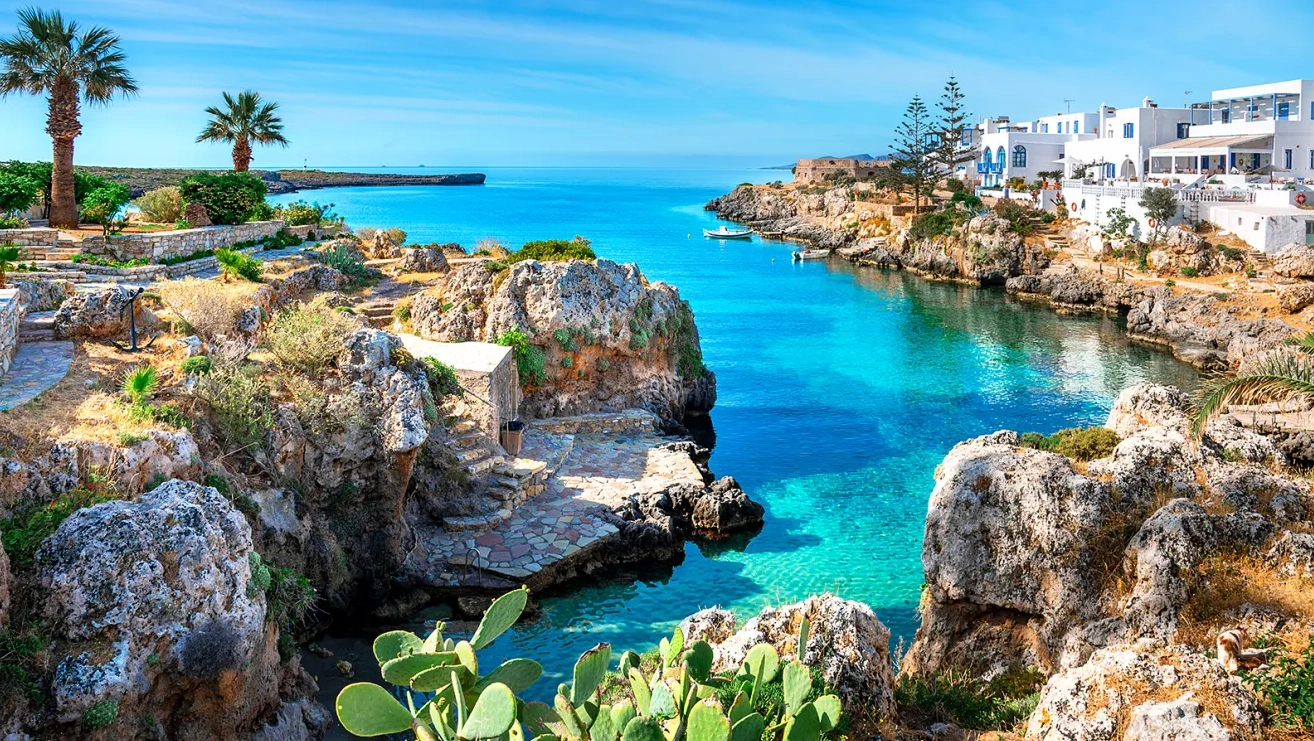
The scenery feels drier, brighter, more layered historically. Stone pathways warm beneath afternoon sunlight. Fishing harbors remain active near restaurants and cafés. Local life continues visibly alongside tourism rather than being separated from it entirely.
Greek islands especially continue attracting modern travelers seeking quieter coastal rhythms.
Smaller properties overlooking the sea often create stronger emotional atmosphere than large resorts. Guests wake to church bells, fishing boats, and pale morning light across the water. Lunch extends slowly beneath shaded terraces while heat settles over the coastline.
The day unfolds naturally rather than according to structured resort schedules.
The Importance of Simplicity
Many peaceful island retreats succeed because they resist overcomplication.
The architecture stays restrained. Menus remain regional and seasonal. Public spaces feel calm rather than heavily programmed. Activities exist without dominating the atmosphere.
Travelers increasingly value this simplicity.
Modern life already provides constant stimulation. Island retreats offer relief from that pressure through reduction rather than addition.
Fewer decisions. Fewer schedules. More space to notice ordinary sensory details again.
Wellness Without Performance
Peaceful island retreats align naturally with broader wellness travel trends, though often in quieter ways than dedicated wellness resorts.
The environment itself encourages restoration.
Guests sleep more deeply because evenings remain darker and quieter. Walking increases naturally because distances feel manageable and pleasant outdoors. Meals become slower and lighter near the coast. Sea air and sunlight shift physical rhythms gradually over several days.
None of this needs to feel heavily branded.
The strongest island retreats avoid turning relaxation into performance.
Quiet Public Spaces Matter
One noticeable change in luxury island travel is the growing importance of quiet communal areas.
Observation terraces, library lounges, shaded gardens, beachside seating, and smaller bars now matter as much as pools or restaurants themselves. Travelers want places where they can remain socially present without constant stimulation surrounding them.
These spaces develop gentle routines throughout the day.
Morning coffee groups differ from evening cocktail crowds. Readers return to familiar corners near the water. Guests recognize one another after several days without needing formal interaction.
The atmosphere feels calm even when shared.
Why Island Retreats Feel Increasingly Valuable
Modern travelers spend much of their year navigating compression.
Compressed schedules. Compressed cities. Compressed attention spans. Constant movement between digital spaces and physical obligations.
Peaceful island retreats offer the opposite experience.
Open horizons. Longer meals. Slower mornings. Weather that remains visible instead of hidden behind glass towers and traffic.
The strongest retreats understand that luxury no longer depends entirely on visible excess.
Instead, it often comes from emotional spaciousness — enough quiet, comfort, and environmental beauty for travelers to stop performing productivity for a while.
Guests remember surprisingly ordinary moments afterward.
Salt air drifting through open curtains before sunrise. Rain passing briefly across the beach during lunch. Warm stone beneath bare feet after sunset. Watching fishing boats disappear slowly toward the horizon before dinner.
These memories feel lasting because nothing about them was forced.
The island simply created enough calm space for people to notice the experience fully while they were there.
For many modern travelers, that has become one of the rarest luxuries of all.