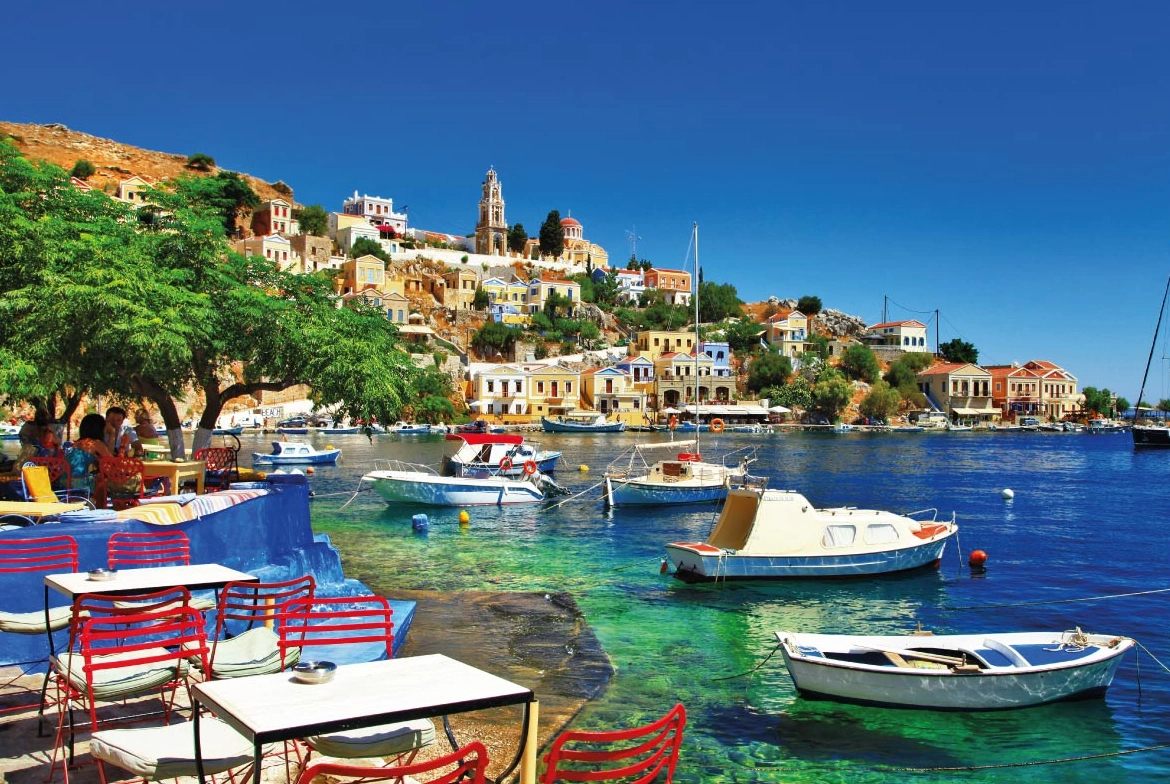
Europe Reveals Itself Slowly Near the Coast
Some of Europe’s most memorable travel experiences happen far from major capitals.
The pace changes along the coastline. Roads narrow. Harbors replace highways. Restaurants open later and stay active longer beneath warm evening light. Travelers begin noticing smaller environmental details that disappear easily inside faster urban itineraries.
Morning fog lifting from fishing villages. Wind moving through olive trees above the sea. Church bells drifting across quiet harbors before breakfast.
Scenic resort destinations across Europe continue attracting travelers because they offer a softer form of luxury — one shaped more by atmosphere, geography, and rhythm than visible extravagance.
The strongest resorts rarely compete with the landscape around them.
Instead, they frame it carefully.
The Mediterranean and Long Outdoor Evenings
The Mediterranean remains central to European resort culture for obvious reasons.
Warm climates support outdoor life for much of the year. Coastal towns remain socially active near the water well after sunset. Meals unfold slowly because evenings themselves feel unhurried.
Travelers settle into these routines quickly.
Breakfast happens beside the sea. Afternoons drift between shaded terraces and swimming areas while heat settles across stone pathways and harbor walls. Dinner rarely begins early. People linger outdoors because the air remains soft long into the night.
The coastline shapes the day naturally.
Greek Islands and Open Horizons
Greek island resorts continue attracting travelers searching for simplicity and visual calm.
The architecture often feels restrained — pale stone, whitewashed walls, open terraces, woven textures, minimal interiors designed to keep the sea visually dominant. Resorts across islands like Paros, Naxos, Milos, and quieter corners of Santorini increasingly favor smaller properties over massive developments.
Guests spend long stretches doing very little.
Reading beside private pools. Watching ferries move slowly across the horizon. Sitting outdoors after dinner while warm wind moves through narrow pathways and terraces overlooking the water.
The emotional atmosphere feels spacious.
Coastal Italy and Layered Scenery
Italy’s coastal resorts create a more layered sensory experience.
The Amalfi Coast, Sicily, Sardinia, and sections of Puglia combine dramatic landscapes with active local life still unfolding around the resorts themselves. Fishing boats remain visible from breakfast terraces. Older villages cling to cliffsides above the sea. Narrow streets carry the sound of scooters and distant conversations late into the evening.
Luxury feels connected to place there rather than isolated from it.
Guests move naturally between resort quiet and surrounding coastal culture throughout the day.
The Adriatic and Slower Coastal Travel
The Adriatic coastline has become increasingly popular with travelers seeking calmer alternatives to Europe’s busier resort regions.
Croatia and Montenegro especially offer a balance between scenery, historic coastal towns, and quieter pacing that many modern travelers find appealing.
The water itself shapes the atmosphere.
Harbors stay still during early mornings. Stone promenades warm gradually beneath the sun. Evenings cool slowly while restaurant lights reflect across the coastline.
People walk more there.
Not for exercise exactly. Simply because the environment encourages slower movement between cafés, beaches, marinas, and waterfront terraces.
Smaller Harbors and Boutique Resorts
Many of the strongest Adriatic resorts remain relatively small.
Boutique hotels overlooking hidden coves, restored stone villas near quiet marinas, and cliffside retreats outside larger tourism centers increasingly attract travelers who value emotional calm over visible luxury.
These places feel personal rather than performative.
Guests recognize staff naturally after several days. Breakfast routines develop. The same outdoor table gets requested each evening near the water.
The atmosphere becomes residential surprisingly quickly.
Weather and Evening Light
Adriatic weather changes the emotional tone of travel constantly.
Summer afternoons arrive hot and bright. Evenings soften gradually into cooler sea air while boats continue moving quietly through the harbor long after sunset. Storms roll across the coastline dramatically before clearing again by morning.
Guests remember these environmental shifts vividly because the resorts remain visually open to them instead of sealed away indoors.
Portugal and the Atlantic Coast
Portugal’s coastline offers a very different resort atmosphere than the Mediterranean.
The Atlantic feels broader and less predictable. Wind stays more present. Weather changes faster. Coastal towns carry quieter energy compared to busier southern European resort centers.
Travelers increasingly appreciate this moodier form of oceanfront travel.
Luxury resorts in the Algarve, Comporta, Cascais, and northern coastal regions now emphasize calm architecture, panoramic views, and slower pacing rather than nightlife or spectacle.
Large windows frame rougher seas. Restaurants stay warm and understated against cooler evening air. Outdoor terraces remain sheltered enough for guests to watch changing weather comfortably.
Atlantic Resorts and Environmental Calm
The strongest Atlantic resorts embrace the environment rather than trying to soften it entirely.
Fog drifting across the coastline before breakfast. Rain cooling outdoor terraces during lunch. Wind reshaping the ocean surface by late afternoon.
These conditions create atmosphere.
Guests settle beside fireplaces or panoramic lounges during stormy evenings watching waves move beneath gray skies while warm lighting softens the interior spaces behind them.
Travel feels grounded there.
Long Walks Beside the Water
Atlantic coastal resorts also encourage movement differently.
Wide beaches, cliffsides, and quieter shorelines support long walks without structure or destination. Couples and solo travelers alike spend hours near the water simply observing changing weather and light conditions.
The horizon remains open constantly.
That visual space affects people more deeply than they often expect.
Northern Europe and Quiet Scenic Luxury
Northern Europe continues attracting travelers interested less in heat or nightlife and more in scenery, calm architecture, and environmental immersion.
Norway’s fjords, Swedish coastal islands, Denmark’s waterfront retreats, and Icelandic resort properties create experiences built around observation and atmosphere rather than activity density.
Guests move differently in these places.
Coffee lasts longer near panoramic windows while low clouds move across the water. Spa areas remain active during colder afternoons. Outdoor hot pools overlook dramatic coastlines beneath shifting weather conditions.
The emotional tone feels quieter.
Scandinavian Design and Coastal Simplicity
Scandinavian resort design strongly influences modern European luxury overall.
Clean lines, natural materials, warm lighting, muted colors, and careful use of space create environments that feel calming without excessive decoration. Resorts remain connected to surrounding weather and light conditions rather than fully insulated from them.
Travelers increasingly respond to this restraint.
Luxury feels softer. More believable. Less performative.
Iceland and Weather-Driven Travel
Icelandic coastal resorts offer perhaps Europe’s strongest example of weather shaping travel atmosphere directly.
Rain, fog, volcanic landscapes, rough ocean conditions, and rapidly changing skies create environments where guests spend significant time simply watching the landscape evolve outside.
The experience feels immersive because nature remains visually dominant at all times.
Why Smaller Resorts Matter More Now
Across Europe, smaller scenic resorts continue gaining popularity over larger traditional hotel complexes.
Travelers increasingly value privacy, emotional quiet, and local atmosphere over visible scale. Boutique coastal properties, restored villas, hidden island retreats, and low-density resorts create experiences that feel more personal and sustainable over longer stays.
Guests settle into routine more easily.
Morning coffee at the same terrace table. Evening wine beside the harbor. Familiar pathways between beach, room, and restaurant.
The resort becomes temporary living space rather than temporary accommodation.
Space and Slower Attention
Modern travel often compresses attention through movement and overstimulation.
Scenic European resorts succeed because they reverse that pattern.
Open water, changing weather, quieter architecture, and slower pacing create enough emotional space for travelers to notice ordinary sensory details again.
Warm stone beneath bare feet after sunset. Rain against terrace railings during dinner. Boats crossing the harbor before sunrise.
These experiences stay memorable precisely because they remain grounded and believable.
Why Scenic Resort Travel Keeps Growing
Travelers increasingly seek places where beauty feels integrated into ordinary daily routines rather than separated into isolated “experiences.”
Scenic resorts across Europe support this naturally.
The strongest properties do not overwhelm guests with activity or visible luxury signaling. Instead, they provide calm rooms, thoughtful architecture, excellent food, open horizons, and enough quiet time for travelers to reconnect with slower forms of attention.
People leave remembering surprisingly small moments.
The smell of sea air drifting through open windows before breakfast. Church bells across the harbor at sunset. Long lunches that quietly became evening drinks beside the water.
Those details remain emotionally vivid because they were never overproduced.
Europe’s coastline has always known how to slow people down.
Modern resort culture is simply learning how to step aside and let the landscape do more of the work again.