Luxury Feels Softer Than It Once Did
Premium resorts have changed noticeably over the last decade.
Travelers still expect comfort, beautiful surroundings, and attentive service, but the atmosphere surrounding luxury has become quieter overall. Modern elegance rarely depends on excess anymore. The strongest resorts now focus more on emotional ease, thoughtful design, and practical comfort than dramatic displays of wealth or spectacle.
Guests respond strongly to this shift.
A well-positioned terrace overlooking the water often matters more than oversized interiors. Quiet pathways between villas feel more valuable than crowded entertainment venues. Lighting, sound, spacing, and atmosphere shape the experience as much as visible amenities themselves.
The best resorts understand that premium living is often defined by how calm daily routines begin to feel after several days onsite.
Amenities Designed Around Real Use
One reason modern luxury resorts feel more appealing today is because amenities have become more functional and integrated into daily life.
Older resorts sometimes treated premium features as decorative status symbols — formal lounges nobody used, oversized lobby spaces, complicated dining structures. Contemporary properties increasingly prioritize spaces guests actually inhabit comfortably for long periods of time.
That difference changes the emotional tone of the stay.
Guests move naturally between breakfast terraces, wellness areas, quiet lounges, pools, beach paths, and private suites without friction or overplanning. The resort itself feels intuitive.
Suites That Encourage Staying In
Modern luxury accommodations increasingly resemble private residences rather than traditional hotel rooms.
Large seating areas face the ocean instead of televisions. Bathrooms use natural materials and soft lighting rather than visible extravagance. Outdoor terraces feel spacious enough for entire afternoons spent reading, dining, or watching weather move across the coastline.
Guests spend more time inside the suite because the environment supports it.
Morning coffee beside open balcony doors. Long lunches delivered quietly to the terrace. Rainstorms watched comfortably from indoor seating areas while the ocean shifts beyond the glass.
The strongest resorts design rooms for living, not just sleeping.
Private Pools and Outdoor Space
Private outdoor amenities have become especially important in luxury travel.
Small plunge pools, shaded gardens, oceanfront terraces, outdoor showers, and private dining spaces create emotional comfort because guests can relax without navigating busy public environments constantly.
The atmosphere feels more personal.
Couples linger outside longer. Families settle into slower routines. Solo travelers read beside the water without interruption.
These smaller forms of privacy increasingly define premium hospitality.
Wellness Spaces That Feel Integrated
Wellness amenities now shape luxury resort design almost as much as dining or accommodations themselves.
But modern wellness rarely feels separate from the rest of the property anymore. The strongest resorts integrate relaxation naturally into the environment rather than isolating it inside highly structured programs.
Spa lounges overlook the coastline. Outdoor yoga platforms face sunrise light across the water. Walking paths follow beaches, gardens, or cliffsides instead of enclosed corridors.
Guests participate casually.
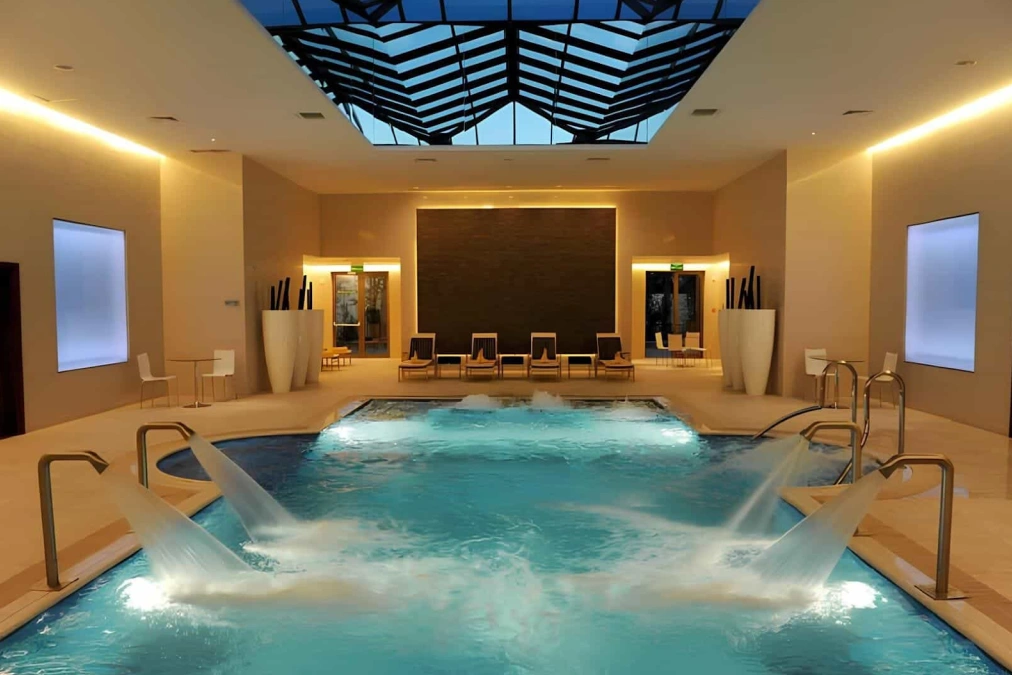
A swim before breakfast. Quiet afternoons in thermal pools during rainy weather. Massage appointments timed around sunset rather than rigid schedules.
The atmosphere remains restorative without feeling performative.
The Importance of Quiet
One premium amenity increasingly valued by travelers is controlled quiet.
Not silence entirely. Coastal resorts still carry environmental sound — waves, wind, birds, distant harbor activity. But unnecessary noise disappears.
Hallways remain calm. Restaurants avoid overwhelming music. Pools feel spacious enough for conversation without shouting across crowded decks.
Guests notice this almost immediately.
Modern travelers spend much of daily life surrounded by compression and noise. Resorts that create emotional softness through spacing and atmosphere feel distinctly luxurious because of it.
Sleep and Environmental Comfort
Luxury travelers increasingly prioritize rest itself.
Premium bedding matters, of course, but so do darker rooms, softer lighting, better insulation, sea air, and environments where evenings unfold gradually rather than aggressively.
Guests sleep differently in well-designed resorts.
Open horizons reduce visual stress. Outdoor movement increases naturally throughout the day. Meals happen more slowly. The nervous system softens.
These practical forms of comfort shape lasting memories more than decorative luxury alone.
Dining Evolves Beyond Formality
Premium dining has also become less rigid and more atmospheric.
Guests still appreciate quality and service, but increasingly they value restaurants that feel connected to the environment and pace of the destination itself. Open-air dining, flexible meal schedules, quieter interiors, and regional cuisine now define many luxury resort experiences.
People linger longer over meals because the atmosphere supports it naturally.
Coastal Dining and Ocean Views
Oceanfront dining remains one of the defining amenities at luxury resorts.
Breakfast beside the sea. Seafood lunches beneath shaded terraces. Evening dinners where the coastline stays visible long after sunset while candles flicker against warm sea air.
The strongest resorts understand restraint here too.
Lighting stays soft. Music remains secondary to environmental sound. Tables feel spaced apart enough for actual privacy and conversation.
The environment becomes part of the meal itself.
In-Villa Dining and Privacy
Private dining continues growing in popularity because it allows guests to remain inside calmer personal spaces without sacrificing atmosphere or quality.
Breakfast arrives quietly beside the pool. Dinner unfolds beneath outdoor lighting while waves remain audible beyond the terrace. Rain moving offshore becomes part of the evening instead of an interruption to it.
Luxury increasingly means flexibility.
Guests choose their own pace rather than adapting constantly to resort structure.
Pools, Beaches, and Outdoor Atmosphere
Pools remain central amenities at luxury resorts, but the design philosophy surrounding them has shifted.
Large crowded pool complexes increasingly feel outdated compared to calmer, more spacious environments emphasizing scenery and emotional comfort. Infinity pools overlooking the coastline, smaller adults-only areas, shaded loungers, and quieter beach access now define premium outdoor experiences.
People use these spaces differently.
Reading lasts longer beside the pool. Swimming happens casually throughout the day rather than as scheduled activity. Guests remain outdoors after sunset simply because the atmosphere stays comfortable.
Beaches That Feel Spacious
Beach quality matters enormously at coastal resorts, but travelers increasingly value spacing and calm more than visible scale.
Smaller beaches with fewer guests often feel more luxurious than massive shorelines crowded with activity. Pathways remain quiet. Seating areas feel private. Service happens discreetly instead of theatrically.
The emotional effect is immediate.
Guests stop performing vacation behavior and begin relaxing naturally instead.