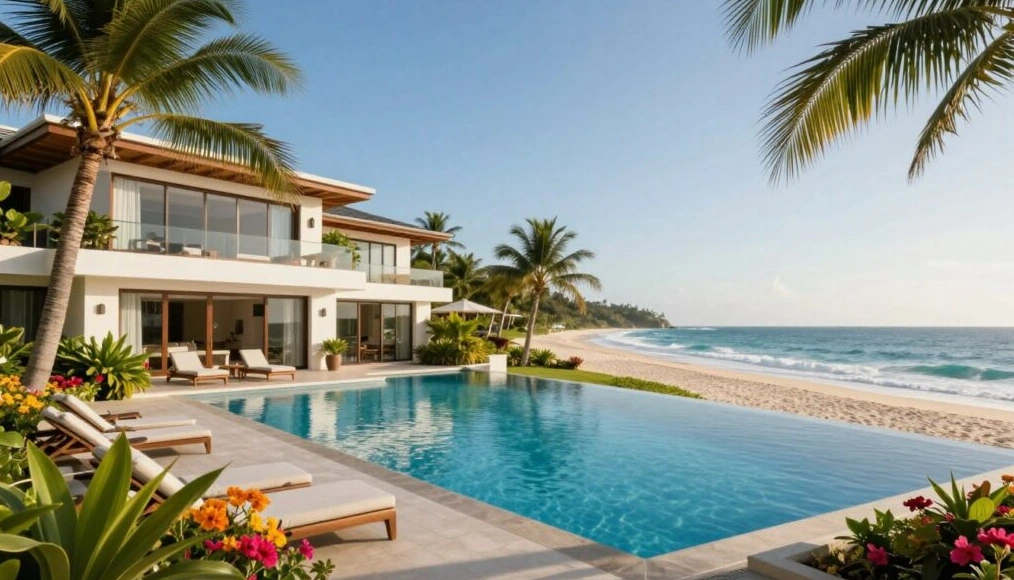
Some Coastlines Stay With People for Years
Travelers often remember beachfront destinations less for individual activities and more for atmosphere.
The quality of light before breakfast. Wind moving across open terraces after sunset. The sound of waves continuing faintly through the night with balcony doors left partially open toward the sea.
These details remain vivid because coastal environments affect daily routines so completely.
Luxury beachfront destinations continue attracting travelers not only because they are beautiful, but because they allow people to live differently for a while. Days stretch outward. Meals slow down. Attention moves away from schedules and toward weather, scenery, and ordinary sensory detail.
The strongest destinations understand this instinctively.
They do not overwhelm visitors with nonstop entertainment or visible extravagance. Instead, they create enough comfort, space, and environmental calm for travelers to settle naturally into the rhythm of the coastline itself.
The Mediterranean and Long Evenings Near the Water
The Mediterranean remains one of the defining regions for beachfront luxury travel.
Warm climates support outdoor life for much of the year. Restaurants stay active beside the sea late into the evening. Coastal villages remain visually connected to the water rather than separated behind large developments or highways.
Travelers move more slowly there.
Breakfast begins outdoors beneath soft morning light. Afternoon heat encourages swimming, reading, and longer lunches beneath shaded terraces. Evenings unfold gradually while harbor lights begin reflecting across the water after sunset.
The atmosphere feels lived-in rather than manufactured.
Greek Islands Beyond the Crowds
Many travelers now prefer smaller Greek islands and quieter coastal regions over heavily visited resort centers.
Places like Paros, Milos, Antiparos, and sections of Crete continue attracting visitors looking for calmer beachfront atmosphere, open horizons, and slower daily pacing. Resorts there often remain low-profile and architecturally restrained.
White stone pathways, woven textures, open terraces, and panoramic sea views allow the landscape itself to remain dominant.
Guests spend remarkable amounts of time simply observing the coastline.
Ferries crossing the horizon. Wind changing the surface of the water. Evening light settling gradually across nearby cliffs and harbors.
Italy’s Coastal Resorts and Layered Atmosphere
Italian beachfront destinations create a more layered sensory experience.
The Amalfi Coast, Sardinia, Sicily, and parts of Puglia combine dramatic scenery with active local life still unfolding near the shoreline. Fishing boats move through the harbor early each morning. Church bells drift faintly across the water. Restaurants open slowly as the afternoon heat softens.
Luxury feels connected to place there.
Guests move naturally between resort comfort and surrounding coastal culture without needing to separate the two experiences entirely.
The Adriatic and Quieter Coastal Luxury
The Adriatic coastline has become increasingly appealing for travelers searching for calmer beachfront destinations.
Croatia and Montenegro especially offer remarkable combinations of clear water, historic coastal towns, smaller luxury resorts, and quieter pacing compared to busier Mediterranean regions.
The atmosphere remains softer.
Stone promenades warm gradually beneath the morning sun. Evenings cool slowly beside the harbor while outdoor restaurants glow beneath low lighting. Boats continue moving quietly through the water long after dinner service begins.
Guests settle into these rhythms quickly.
Boutique Resorts and Hidden Bays
Many of the strongest Adriatic beachfront resorts remain relatively small.
Restored villas overlooking hidden coves, boutique hotels beside quiet marinas, and low-density coastal properties increasingly attract travelers who value privacy and emotional calm over visible scale.
These destinations feel personal.
Guests recognize familiar staff after several days. Morning coffee happens at the same terrace table overlooking the water. Long walks beside the harbor replace organized resort activity.
The experience becomes residential surprisingly fast.
Water That Shapes the Mood
The Adriatic’s calmer sea conditions create distinct emotional atmosphere compared to rougher coastlines.
Water remains nearly still during many mornings and evenings. Light reflects softly across the shoreline. Swimming feels quieter somehow.
Travelers notice this even if they rarely describe it directly.
Portugal and Atlantic Beachfront Escapes
Atlantic-facing beachfront destinations create a different type of luxury experience altogether.
Portugal’s coastline especially has become increasingly popular with travelers who appreciate moodier scenery, changing weather, and quieter forms of oceanfront living. Resorts in the Algarve, Comporta, Cascais, and northern coastal regions embrace environmental realism instead of trying to soften the Atlantic completely.
Wind remains visible. Fog rolls across the shoreline before breakfast. Storms move slowly across the horizon offshore.
The atmosphere feels immersive.
Atlantic Resorts and Environmental Calm
Luxury beachfront resorts along the Atlantic often rely less on tropical perfection and more on emotional depth created through weather, architecture, and open space.
Large windows frame rougher seas. Covered terraces allow guests to remain outdoors during rain. Interiors feel warm and grounded against cooler coastal air.
Travelers spend long stretches simply watching the ocean.
Reading beside panoramic lounges while cloud cover changes the light across the water. Walking wide beaches beneath shifting skies. Listening to wind move through dune grass during late afternoons near the shore.
These destinations encourage slower attention.
Long Walks and Open Horizons
Atlantic beaches also create physical spaciousness many travelers increasingly value.
Wide shorelines, cliffsides, and open water allow people to walk for hours without destination or interruption. The horizon remains visible continuously.
That openness affects mood more deeply than many expect beforehand.
Tropical Beachfront Destinations
Tropical beachfront luxury remains deeply appealing because warmth changes daily life itself.
In Southeast Asia, the Maldives, French Polynesia, and quieter Caribbean islands, outdoor living continues comfortably throughout nearly the entire day. Resorts increasingly design around this fluidity between interior and exterior space.
Guests remain physically connected to the environment constantly.
Open-air restaurants. Beachfront villas. Outdoor showers. Private pools overlooking the sea.
The body relaxes differently in these climates.
Southeast Asia and Softer Luxury
Bali, Thailand, Vietnam, and quieter Indonesian islands continue attracting travelers because luxury there often feels emotionally softer and more integrated into the surrounding landscape.
Resorts blend naturally into tropical vegetation and coastline rather than dominating them visually. Service feels attentive without excessive formality. Meals happen slowly beneath moving palms and sea breeze.
Guests spend long afternoons doing very little.
Swimming. Reading. Watching rain move offshore before sunlight returns again.
These slower experiences increasingly define modern luxury travel.
The Maldives and Water-Centered Living
The Maldives remain one of the clearest examples of beachfront living shaped entirely around the ocean itself.
Water surrounds daily life there. Villas extend above lagoons. Walkways disappear toward the horizon. Morning light reflects directly into the room from every direction.
The atmosphere encourages stillness naturally.
Travelers spend hours simply listening to waves beneath outdoor decks or watching changing weather conditions move across the sea beyond the villa.
Dining Beside the Shoreline
One reason beachfront destinations remain emotionally memorable is because meals feel different near the water.
Breakfast unfolds slowly beside open horizons. Seafood lunches stretch into late afternoon beneath shaded terraces. Evening dinners continue beneath soft lighting while waves remain audible beyond the restaurant decks.
The strongest destinations understand restraint.
Music stays low. Service moves calmly. Tables remain spaced apart enough for privacy and conversation.
The coastline itself becomes part of the dining atmosphere.
Sunset as Part of Daily Routine
Beachfront destinations naturally organize themselves around sunset.
Guests gather gradually near terraces, beaches, and pool areas while the light changes across the water. Some remain quiet. Others linger over drinks while boats move slowly offshore.
The atmosphere feels communal without becoming performative.
That emotional softness defines modern beachfront luxury increasingly well.
Why Beachfront Destinations Continue Matter More
Modern travelers spend much of their lives surrounded by compression — noise, schedules, screens, traffic, enclosed spaces.
Beachfront luxury destinations provide the opposite experience.
Open air. Open horizons. Longer meals. Weather that remains visible instead of hidden behind glass and concrete.
The strongest destinations never try too aggressively to manufacture meaning.
They simply provide enough beauty, comfort, and calm space for travelers to settle naturally into slower forms of living for a while.
Guests leave remembering surprisingly ordinary moments.
Warm sea air drifting through open curtains before sunrise. Long afternoons beside the beach where almost nothing happened. Rain cooling the terrace during lunch before sunlight returned again.
Those memories remain powerful precisely because they felt real.
The coastline did most of the work already.