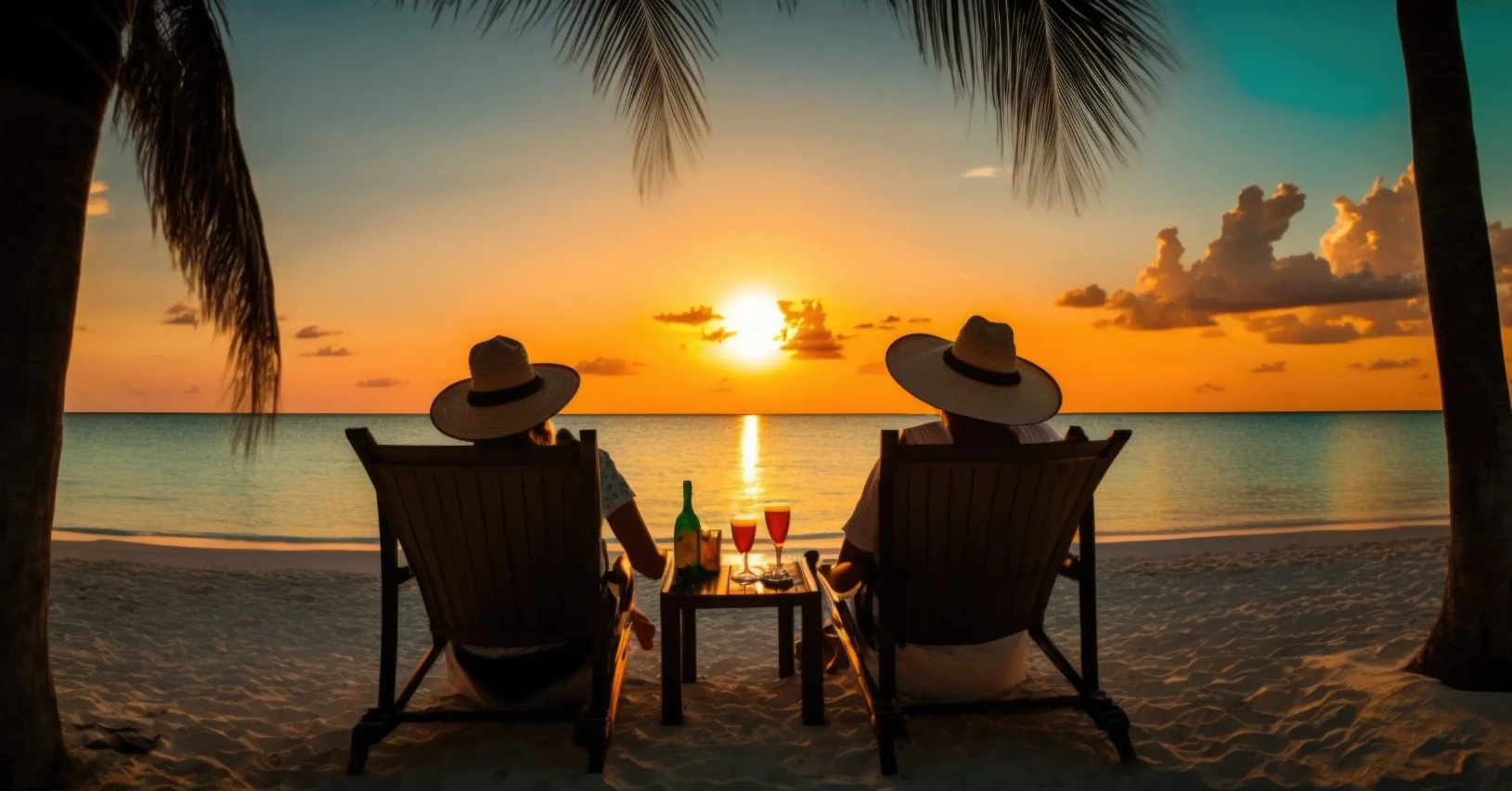
The evening boats return slowly to the harbor in Portofino just before sunset disappears behind the hills. Restaurant lights begin reflecting across the water while people drift toward the waterfront for late dinners that may continue well into the night. Couples sit close together near the marina without speaking very much. The atmosphere does not demand constant activity. It simply holds people there for longer than they expected.
That quieter kind of travel has become increasingly appealing for couples across Europe.
Luxury vacations once leaned heavily on dramatic itineraries and tightly packed schedules — private excursions, constant movement between cities, highly choreographed resort experiences. Many travelers still enjoy that pace. But more couples now seem drawn toward environments that allow space for slower routines and natural conversation.
The most memorable trips are often the ones where very little feels rushed.
A long breakfast overlooking the sea. An afternoon train ride through changing countryside. Late evening walks along quiet waterfronts after the restaurants begin emptying out. Premium travel for couples increasingly revolves around atmosphere and comfort rather than nonstop entertainment.
Europe offers countless versions of this experience, though the most compelling destinations often share a similar quality: they allow travelers to settle into the environment instead of constantly performing their vacation inside it.
Coastal Italy After the Crowds Thin Out
Along parts of the Italian coastline, the mood changes noticeably once the day visitors begin leaving.
In smaller towns near Amalfi and the Ligurian coast, evenings become calmer after sunset settles over the water. Outdoor tables remain occupied for hours while narrow streets quiet gradually between dinner services. Windows stay open late into the night. The scent of salt air and warm stone lingers across the waterfront long after temperatures begin cooling.
Couples increasingly choose smaller hotels here rather than large resorts.
Many properties are built directly into older hillside architecture, with uneven stairways, shaded terraces, and balconies positioned toward the sea instead of toward highly curated pool environments. Interiors often feel restrained rather than heavily decorative. Worn wood floors. Linen curtains moving softly with coastal air. Reading lamps casting smaller pools of light late at night while distant harbor sounds continue outside.
The appeal comes partly from realism.
These destinations still feel connected to ordinary local life even while offering refined accommodations and excellent service. Early morning deliveries move through the streets. Fishing boats leave before sunrise. Cafés open slowly. Travelers become temporary participants inside an existing rhythm rather than remaining fully separated from it.
Greek Islands Designed for Slower Days
Across Greece, couples are increasingly drawn toward islands that feel quieter and less performative than the heavily photographed destinations dominating social media travel culture.
Places like Paros and smaller Cycladic islands offer a different atmosphere entirely from faster-moving resort hubs. The luxury here tends to emerge through simplicity and environmental detail rather than spectacle.
White stone paths warming under afternoon sun. Small harbors where ferries arrive only a few times each day. Restaurants built directly beside the water with tables extending almost to the shoreline.
Couples often settle into repeating routines quickly.
Morning swims before breakfast. Long lunches during the hottest part of the afternoon. Quiet hours spent on shaded terraces while wind moves through dry coastal vegetation outside. Evening walks through narrow streets where soft lighting spills gradually from cafés and small wine bars.
Many boutique hotels now design spaces specifically around this slower pace. Outdoor bathtubs facing the sea. Daybeds protected from direct wind exposure. Minimal interiors using natural plaster, stone, pale wood, and woven fabrics that soften the heat visually.
Nothing feels overly staged.
And that restraint tends to make the environment feel more believable.
Luxury Rail Journeys for Two
Couples traveling through Europe increasingly choose rail routes as part of the vacation itself rather than simply transportation between destinations.
Through Switzerland and sections of Austria, premium train journeys offer a kind of intimacy difficult to recreate through faster forms of travel. Hours pass quietly inside private compartments while scenery changes gradually beyond the windows — lakes, forests, mountain villages, snow still visible at higher elevations even during warmer months.
There is very little pressure to do anything.
Passengers read. Share meals. Watch weather move across valleys. Conversation comes and goes naturally without interruption from airport procedures or crowded terminals.
Dining cars remain softly active late into the evening on some overnight routes. Warm lighting reflects against the windows while darkness settles outside the train. The atmosphere feels calm partly because travel itself slows down enough for couples to actually experience it together instead of constantly managing logistics.
This has become one of the defining shifts in premium travel culture.
Movement no longer needs to feel rushed in order to feel luxurious.
Ocean Voyages With More Privacy
Luxury cruising has also changed significantly for couples.
Smaller premium ships operating through the Mediterranean and northern Europe increasingly focus on quieter onboard environments rather than heavily programmed entertainment schedules. The result feels closer to staying in a floating coastal hotel than participating in a traditional cruise vacation.
In ports like Dubrovnik and Santorini, couples return to ships where the atmosphere remains intentionally subdued after busy afternoons ashore.
Observation lounges replace loud central atriums. Outdoor decks emphasize comfort and visibility instead of crowded activity. Suites often include large terraces where breakfast can be served privately while the coastline passes slowly in the background.
At night, many passengers remain outside long after dinner.
Cool air settles across the decks while harbor lights fade into open water. Blankets appear over lounge chairs. The sound of the sea becomes more noticeable once conversation quiets down.
Couples seem drawn toward these quieter forms of ocean travel because they create room for unstructured time together rather than filling every hour automatically.
Northern Europe and Cold-Weather Escapes
Not every elegant couples vacation revolves around warm coastlines.
In Norway and parts of Scotland, luxury travel increasingly centers around colder landscapes where weather itself becomes part of the atmosphere. Coastal lodges, fjord hotels, and remote waterfront retreats attract couples looking for environments that feel physically calming rather than socially intense.
Rain moves across the water throughout the day. Fog settles over harbors and disappears again within hours. Interiors become especially important under these conditions.
Fireplaces remain active even during summer evenings farther north. Thick wool blankets rest across lounge seating. Dining rooms glow softly against dark weather outside. Guests linger over dinner because there is nowhere else they particularly need to be.
The slower pace changes how couples interact with the environment.
Afternoons stretch longer. Walks feel more immersive because the landscape remains visually dominant. Silence becomes comfortable rather than awkward.
Luxury here comes from shelter, warmth, and proximity to dramatic scenery without requiring constant spectacle.
Dining That Extends the Evening
Across Europe, couples increasingly shape vacations around dining environments rather than sightseeing schedules alone.
In coastal Spain and southern France, evening meals frequently become the emotional center of the day. Waterfront restaurants remain open late while conversation drifts between tables and harbor activity continues quietly in the background.
The pacing matters as much as the food itself.
Courses arrive gradually. Wine service remains relaxed. Outdoor lighting changes naturally as evening deepens. Couples stay seated long after dinner ends simply because the setting still feels pleasant.
Premium travel increasingly values these softer transitions between activities instead of constantly pushing toward the next experience.
Even breakfast culture reflects this change.
Luxury hotels now dedicate more attention to morning atmosphere — shaded terraces, ocean-facing dining rooms, fresh local pastries and fruit, coffee served slowly rather than efficiently. Couples often spend over an hour in these spaces without feeling hurried.
Small routines become memorable partly because there is enough time to notice them.
A Different Kind of Romance
Elegant travel for couples no longer depends entirely on dramatic gestures or exaggerated luxury.
In many ways, modern romance in travel feels quieter now.
Couples increasingly prefer destinations where they can move comfortably through beautiful environments without needing to constantly perform excitement or productivity. They want hotels that feel livable after several days. Restaurants where evenings unfold naturally. Transportation that allows conversation instead of stress.
The most meaningful moments are often relatively small.
Watching storm clouds move across the Adriatic from a hotel terrace. Sitting together in near silence during an overnight train ride through alpine darkness. Hearing distant harbor sounds through open windows after midnight somewhere along the Mediterranean coast.
These experiences rarely feel cinematic while they are happening.
They simply feel real.
And perhaps that is exactly why they remain memorable long after the trip ends.
FAQs
Are smaller European destinations better for couples than major tourist cities?
Often, yes. Smaller coastal towns and island destinations usually offer quieter environments, slower pacing, and more privacy than heavily crowded urban centers during peak travel seasons.
Why are couples choosing train and ocean travel more often?
Many couples enjoy the calmer pace and shared atmosphere that rail and ocean journeys provide compared to the stress and speed of frequent airport travel.
What makes a luxury couples vacation feel more modern today?
Comfort, privacy, thoughtful design, slower schedules, and emotionally relaxed environments have become more important than highly formal or overly extravagant travel experiences.