The Slower Shape of European Travel
By late afternoon, the harbor in Split starts to soften a little. The heat eases off the stone walkways, ferries move in slow arcs toward the docks, and outdoor cafés begin filling again after the quieter middle hours of the day. Travelers drift toward the waterfront without much urgency. Some are returning from island excursions. Others are simply watching the light flatten across the Adriatic before dinner.
This pace has started defining a noticeable shift in luxury travel across Europe. Not necessarily slower in the literal sense — airports remain crowded, itineraries still stretch across multiple countries — but calmer in presentation. Less theatrical. Travelers who once chased tightly packed schedules are leaving more space inside their plans. Longer stays. Smaller ships. Coastal rail routes instead of short regional flights. Suites designed for reading, not just sleeping.
The change appears most clearly along Europe’s coastlines. From the Norwegian fjords to the quieter ports of southern Italy, luxury travel increasingly revolves around atmosphere and continuity rather than spectacle alone. Ocean travel has returned to the center of that conversation, though not in the oversized, heavily programmed way associated with previous decades.
Ships are getting smaller again. Lounges are quieter. Dining rooms are stretching later into the evening.
And people linger longer now.
Ocean Routes That Prioritize Space Over Volume
The large Mediterranean cruise terminals still exist, of course. In places like Barcelona and Civitavecchia, enormous vessels continue moving thousands of passengers through the ports each week. But another category of ocean travel has steadily expanded alongside them.
Smaller luxury ships have become more visible across European waters, particularly on routes through the Greek islands, the Dalmatian Coast, and northern Atlantic passages. These itineraries tend to favor fewer destinations with longer docking hours rather than constant overnight movement.
Passengers notice the difference quickly.
Breakfast lasts longer when there are no loud boarding announcements echoing through the decks. Observation lounges remain occupied through the afternoon, especially when weather moves across the coastline and visibility changes by the hour. Staff begin recognizing routines within days — espresso orders, preferred seating areas, late evening walks near the outer railings.
The physical environment matters as much as the route itself. Natural wood finishes, muted fabrics, brushed metal details, indirect lighting. Many newer vessels lean toward residential design rather than traditional formal cruise interiors. Libraries are larger. Outdoor seating feels more protected from wind exposure. Corridors are quieter because there are simply fewer people moving through them at once.
Along the Norwegian coast, this becomes especially noticeable.
Northern Waters and Cold-Weather Luxury
In Norway, luxury travel has shifted toward colder environments that emphasize scenery without needing constant activity to sustain interest. Ships entering the fjords early in the morning often move through heavy layers of low cloud before visibility opens suddenly against dark cliffs and snow still resting on upper ridges even in late spring.
Passengers tend to gather silently near the windows during these stretches.
There is less pressure to narrate everything.
Blankets appear over outdoor lounge chairs despite the cold air. Inside, the dining rooms remain dimly lit through breakfast while condensation gathers against the glass. Some travelers read. Others simply watch the shoreline pass slowly enough to follow individual houses along the water.
This quieter style of luxury has spread well beyond expedition cruising. Resorts across northern Europe have adapted to the same preference for subdued comfort and environmental immersion. In parts of Iceland and coastal Scotland, hotels increasingly emphasize architectural restraint rather than dramatic presentation.
Dark timber exteriors. Thick wool fabrics. Heated stone flooring near entryways where wet boots are left to dry. Bars designed around candlelight rather than bright evening energy.
The atmosphere feels grounded partly because weather remains so present throughout the experience. Rain moves in quickly. Wind changes plans. Ocean visibility disappears and returns again within hours.
Travelers seem more comfortable allowing that unpredictability into the trip now.
Mediterranean Resorts Without the Performance
Further south, Mediterranean luxury has become less performative than it was a decade ago. There are still glamorous arrivals along the French Riviera and polished beach clubs on the Amalfi Coast, but many travelers now appear more interested in privacy that feels natural rather than staged.
On smaller islands in Greece, boutique resorts have started favoring understated layouts that blend into the surrounding terrain instead of dominating it visually. Stone pathways remain uneven in places. Gardens grow slightly loose around the edges. Terraces are designed for shade during long afternoon heat rather than constant photo visibility.
Some of the most appealing properties barely announce themselves from the road.
Inside, attention shifts toward texture and spatial comfort. Linen curtains moving through open windows. Salt residue collecting lightly on balcony glass near the sea. Quiet breakfast rooms where tables remain occupied well past midmorning because nobody is trying to move guests through quickly.
There is also a noticeable preference for hotels that feel connected to local environments rather than internationally standardized. Regional ceramics, local wines, smaller dining menus that change according to fishing conditions or market deliveries.
The result feels calmer without trying too hard to appear “authentic.”
Dining That Extends the Evening
Food continues shaping European luxury travel, though increasingly in quieter, more regionally grounded ways.
Large tasting menus still attract attention in cities like Paris and Copenhagen, but many travelers now seem equally interested in less formal dining environments where atmosphere develops naturally over several hours.
Coastal restaurants in southern Europe often illustrate this best.
Dinner rarely begins early. Tables remain occupied long after plates are cleared. Waterfront lighting reflects unevenly across the harbor while smaller service boats continue moving through the marina after midnight. In parts of Italy and Portugal, it is common to see guests ordering another bottle of wine simply because nobody feels ready to leave the setting yet.
Luxury dining now leans less on theatrical presentation and more on continuity of environment. Open windows. Slow pacing between courses. Soft conversation carrying between tables without music overpowering the room.
Even onboard cruise dining has adapted.
Some ships have reduced formal dress expectations entirely in favor of more relaxed evening spaces where passengers move between restaurants, lounges, and outdoor decks throughout the night. Smaller menus often produce better meals. Service feels more conversational. Late-night seating areas remain occupied by travelers reading, talking quietly, or watching distant coastal lights disappear into darkness.
Rail Journeys Returning to Prominence
Ocean travel may dominate many conversations around European luxury, but rail travel has quietly regained prestige as well.
Routes through Switzerland and northern Italy now attract travelers who prefer gradual transitions between landscapes rather than compressed airport movement. Panoramic windows, private compartments, and extended dining service create a form of travel that feels physically connected to geography again.
The appeal is partly visual, but also practical.
Passengers unpack less often. There are fewer abrupt transfers. Mornings begin with changing scenery rather than airport queues.
On some overnight routes, lounge cars remain softly active well past midnight. Travelers gather briefly over drinks before returning to private cabins while the train continues through mountain tunnels or remote stretches of countryside.
The romance of rail travel still exists, though it appears in quieter forms now. More understated. Less costume-like.
The Appeal of Quiet Social Spaces
One of the more interesting shifts in luxury travel across Europe involves how social spaces are designed.
There was a period when many high-end properties emphasized visibility above all else: rooftop scenes, crowded pool environments, highly photographed lounges. That approach has not disappeared, but quieter alternatives are increasingly valued.
Hotels now dedicate more space to libraries, garden courtyards, small terraces, and protected outdoor seating areas where guests can remain for hours without pressure to consume constantly or participate in organized activity.
On luxury ships, observation decks have become central social areas precisely because they allow for silence. People gather there without necessarily interacting much. Some travelers bring books. Others simply watch changing coastlines or weather fronts moving over the water.
This style of shared quiet seems increasingly important in modern travel culture.
Not every environment needs to announce itself loudly anymore.
Design Trends Shaping European Luxury Travel
Architecturally, many European luxury properties are moving toward restraint instead of visual excess.
The trend appears across resorts, cruise interiors, spas, and even airport lounges. Softer lighting temperatures. Natural stone surfaces. Matte finishes replacing glossy materials. Furniture arranged for comfort over symmetry.
There is also greater sensitivity toward environmental integration.
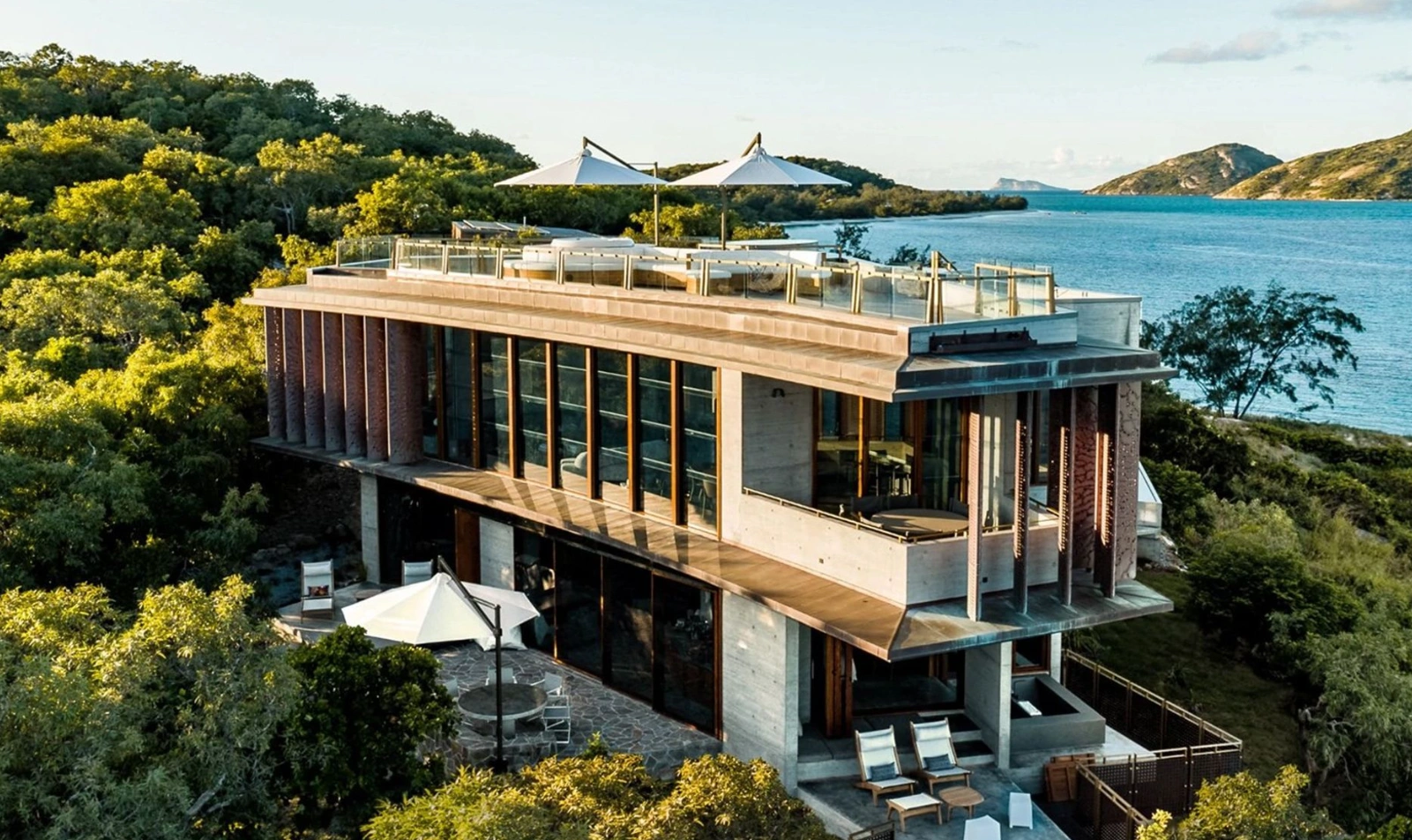
Along the coastlines of Croatia and Spain, newer resorts increasingly preserve natural topography rather than flattening it completely for construction. Buildings follow hillside contours. Native plants remain visible throughout the property. Outdoor areas rely more heavily on shade structures and cross-ventilation instead of purely mechanical cooling.
These decisions subtly affect how travel feels physically.
Guests move more slowly through spaces that respond naturally to climate and geography.
The same applies onboard many newer ships. Public rooms now emphasize exterior visibility — wide glass walls, uninterrupted ocean views, lower-profile seating arrangements that direct attention outward rather than inward.
Passengers spend more time observing the environment itself.
A Different Kind of Arrival
Luxury travel across Europe no longer revolves entirely around arrival in the traditional sense. The movement between places has become equally important again.
Long breakfasts overlooking ports. Slow departures from coastal hotels. Evenings spent on deck watching industrial harbor lights fade gradually into open water.
These smaller transitional moments seem to hold attention longer now than heavily scheduled sightseeing ever did.
Part of that shift may come from fatigue. Travelers have grown tired of performing travel constantly — documenting every meal, rushing through every city, turning movement itself into productivity. European luxury travel has responded by making room for quieter experiences that feel less compressed.
Not necessarily simpler.
Just less crowded internally.
By the time many travelers leave Europe now, the strongest memories are often oddly specific. The texture of cold metal railings near the sea at night. Morning fog lifting off a harbor in western Norway. The sound of plates and low conversation drifting through an outdoor restaurant somewhere along the Portuguese coast long after midnight.
Small details linger longer than expected.
And perhaps that is where modern luxury travel currently feels most convincing — not in spectacle, but in the accumulation of carefully observed moments that never needed to announce themselves loudly in the first place.
FAQs
Why are smaller luxury ships becoming more popular in Europe?
Many travelers prefer quieter onboard environments, longer port stays, and more personal service. Smaller ships also reach coastal areas and harbors that larger vessels cannot easily access.
Are luxury travelers spending more time in fewer destinations?
In many cases, yes. Longer stays allow travelers to settle into regional routines, experience local dining culture more naturally, and avoid constantly moving between airports and hotels.
What design features are shaping modern European resorts?
Natural materials, softer lighting, outdoor living spaces, and architecture that responds to local landscapes are becoming more common than highly decorative or overly formal designs.