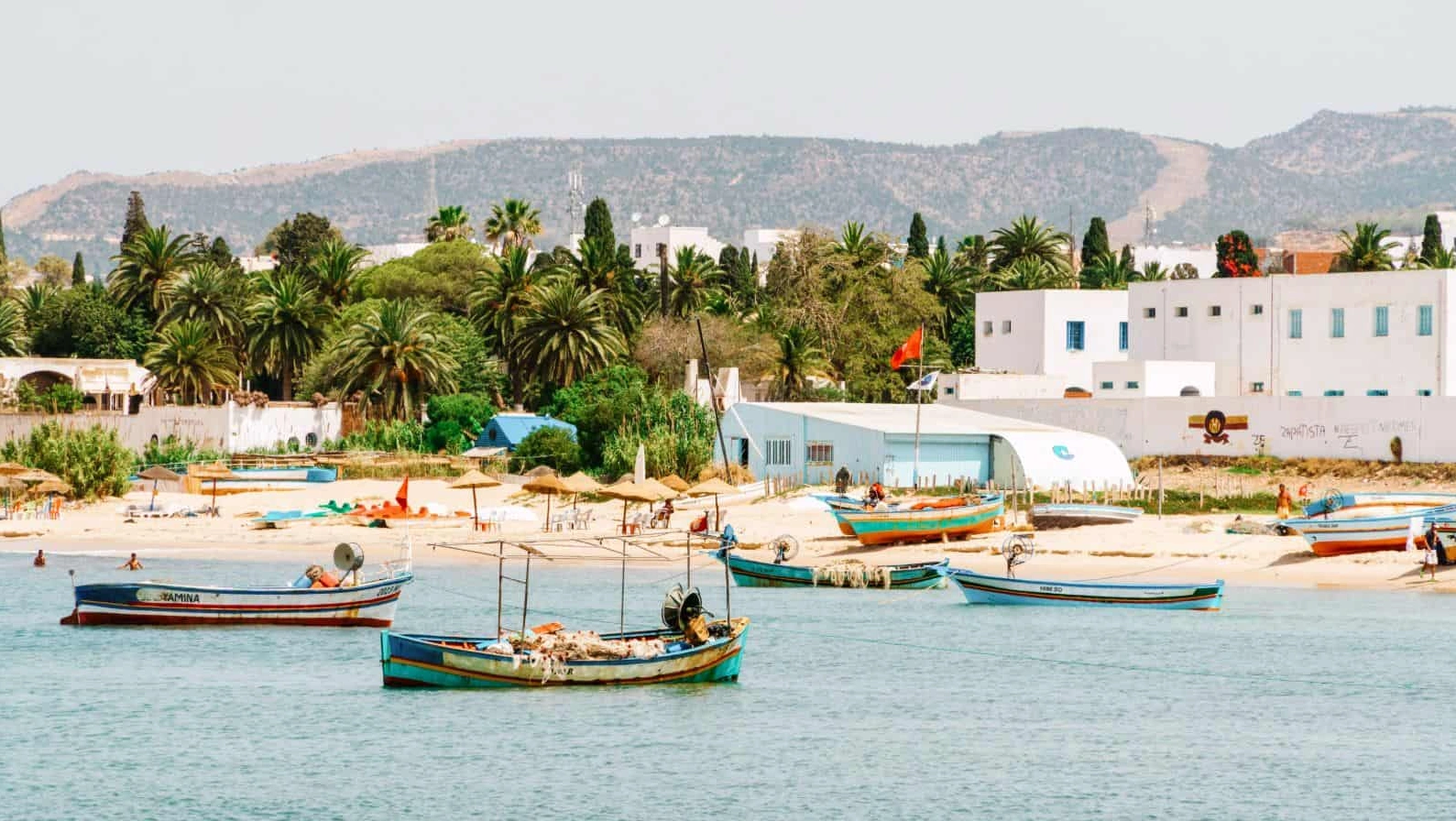
The Shift Toward Warmer Horizons
Many European travelers are no longer looking only for short seasonal escapes.
Longer stays, quieter destinations, and warmer climates during colder months have become increasingly attractive, especially for travelers who want more than crowded resort districts or heavily scheduled vacations. Tropical regions across Southeast Asia, the Indian Ocean, the Caribbean, and parts of the South Pacific continue drawing attention for exactly that reason.
The appeal is rarely just the temperature.
It is the atmosphere surrounding daily life near the water.
Mornings begin outdoors instead of inside city apartments beneath gray winter skies. Breakfast stretches slowly beside open beaches. Sunlight lasts longer into the evening while sea air moves continuously through restaurants, terraces, and coastal villas.
The contrast feels physical almost immediately after arrival.
Passengers arriving from northern Europe often spend the first several days simply adjusting to openness — open horizons, open-air architecture, outdoor living that continues comfortably long after sunset.
That slower rhythm has become one of tropical travel’s strongest attractions.
Southeast Asia and the Return of Slower Coastal Living
Southeast Asia remains one of the most popular tropical regions for European travelers seeking longer, more immersive resort stays.
Thailand, Indonesia, Vietnam, and parts of the Philippines offer something increasingly difficult to find in more commercialized resort markets: luxury environments that still feel connected to local coastal life rather than fully separated from it.
Resorts there often blend naturally into the landscape.
Open-air lobbies face the ocean directly. Villas disappear between palms and tropical vegetation. Restaurants remain partially exposed to humidity, rain, and evening breeze rather than sealing guests away from the environment outside.
Travelers adapt quickly to these conditions.
Shoes disappear for most of the day. Outdoor showers become routine. Lunch stretches late into the afternoon beneath shaded terraces while rain passes briefly across the water offshore.
The atmosphere encourages presence instead of constant activity.
Bali Beyond the Crowded Areas
Bali continues attracting European travelers, though increasingly toward quieter regions beyond the island’s busiest tourism districts.
Smaller coastal resorts in eastern and northern areas of the island offer calmer beachfront living, slower village atmosphere, and ocean views uninterrupted by nightlife or dense development. Mornings arrive softly there. Fishing boats still move across the water before sunrise while local markets begin opening inland.
Guests spend long periods doing very little.
Reading near infinity pools. Walking the shoreline after breakfast. Watching weather shift across volcanic landscapes in the distance while afternoon heat settles over the resort.
The luxury feels environmental rather than performative.
Thailand’s Island Resorts
Thailand’s island resorts continue appealing to Europeans because they combine comfort with remarkable ease.
The atmosphere stays relaxed without sacrificing service quality. Outdoor dining remains central to daily life. Beaches still function as lived environments rather than exclusively curated tourist spaces in many regions.
Late afternoons often become the most memorable hours.
Heat softens. Sea breeze strengthens slightly. Restaurants begin lighting candles near the shoreline while boats move slowly back toward the harbor.
Guests linger outdoors naturally because the environment allows it.
Indian Ocean Resorts and the Search for Space
The Maldives, Mauritius, and Seychelles have become especially attractive to European travelers looking for physical and emotional distance from urban life.
These destinations offer a different kind of tropical experience than Southeast Asia.
The atmosphere feels quieter. More isolated. More visually open.
In the Maldives particularly, water dominates everything. Villas stretch directly above the sea. Wooden walkways disappear toward the horizon. Even the sound environment changes — waves, wind, distant boats, and almost nothing else.
Travelers notice the silence immediately.
Not empty silence, but spaciousness.
Overwater Villas and Private Living
Overwater villas remain popular partly because they alter daily behavior so completely.
Guests spend more time outside the room itself. Swimming happens spontaneously throughout the day. Sunlight reflects upward into the interior spaces while the ocean remains visible through nearly every window.
There is little separation between accommodation and landscape.
Mornings begin with water already surrounding the villa. Evenings end with the sound of waves beneath the floorboards while outdoor decks remain warm long after sunset.
This closeness to the environment explains much of the appeal.
European travelers increasingly value destinations where luxury feels integrated into nature rather than disconnected from it.
Mauritius and Longer Stays
Mauritius attracts a slightly different style of traveler.
Many Europeans stay longer there, sometimes several weeks rather than days. The island supports slower routines comfortably because it combines resort living with local towns, restaurants, coastal drives, and everyday island life beyond the hotel itself.
Guests settle into habits gradually.
Morning walks beside the beach. Long lunches outdoors. Quiet afternoons near shaded pools while trade winds move across the coastline. Dinner arriving late beneath warm evening air.
The pace remains gentle without feeling isolated.
Caribbean Resorts and Winter Escapes
The Caribbean continues serving as a major winter destination for European travelers escaping colder climates.
What has changed is the type of resorts many people now prefer.
Large all-inclusive environments still exist, but smaller luxury properties focused on quieter beaches, local architecture, and calmer atmosphere increasingly attract experienced travelers who value space more than entertainment.
Island geography shapes the experience constantly.
Smaller harbors remain visible from restaurants. Rain moves quickly across the water before clearing again. Beaches change character depending on tide, light, and wind conditions throughout the day.
The environment stays active even when guests themselves remain still.
Open-Air Evenings
One reason tropical resorts feel restorative is because life continues outdoors after sunset.
European travelers arriving from colder climates often spend unusually long hours outside during the first days of the trip simply because the air remains warm enough to do so comfortably.
Dinner beside the beach. Drinks near open terraces. Slow walks along the shoreline before returning to rooms with balcony doors left open toward the sea.
The body relaxes into this rhythm naturally.
There is less separation between indoor and outdoor life in tropical regions, and that continuity changes the emotional tone of travel itself.
Coastal Architecture and Modern Luxury
Tropical resort design has evolved considerably in recent years.
Many luxury properties now avoid excessive decoration in favor of simpler, environmentally responsive architecture. Pale woods, shaded stone pathways, woven textures, open ceilings, natural ventilation, and low-profile structures dominate contemporary tropical resorts.
The ocean remains visually central.
Rooms orient themselves toward the water. Outdoor lounges stay partially exposed to the environment. Spa areas overlook beaches rather than enclosed gardens.
Guests respond positively to this restraint.
Travel feels calmer when architecture supports the landscape instead of competing with it.
The Importance of Airflow and Light
Tropical resorts rely heavily on airflow.
Ceiling fans move slowly above breakfast terraces. Outdoor curtains shift with changing wind patterns. Rain cools stone pathways before afternoon heat returns again.
Passengers notice these environmental details because tropical living keeps them physically connected to weather and atmosphere throughout the day.
Luxury becomes sensory rather than decorative.
Warm wood beneath bare feet. Humidity softening evening air. Salt settling lightly on railings overnight.
These experiences feel grounded and believable.
Wellness Through Climate and Routine
Many European travelers choose tropical resorts less for formal wellness programs and more for the indirect emotional effect of climate and pacing.
Sunlight exposure changes sleep patterns. Outdoor movement increases naturally. Meals become slower and lighter. Sea air replaces urban noise. Time stretches differently without dark afternoons or winter weather limiting outdoor life.
Guests settle into routines quickly.
Swimming before breakfast. Reading outdoors during the afternoon heat. Watching storms move across the horizon while sheltered beneath open-air terraces.
The body slows down without needing instruction.
The Luxury of Doing Less
Perhaps the strongest appeal of tropical resorts is how comfortable they make inactivity feel.
Modern life often rewards constant productivity and stimulation. Tropical coastal environments encourage the opposite. Long pauses become acceptable again. Observation replaces planning. Weather and light shape the day more than schedules.
Travelers remember these slower moments clearly afterward.
Warm evenings near the water. Quiet breakfasts with almost no conversation. Ceiling fans turning above open restaurants while boats drift offshore beneath fading light.
The strongest tropical resorts never try too aggressively to manufacture paradise.
They simply provide enough comfort, space, warmth, and ocean air for guests to settle into a calmer version of daily life for a while.
For many European travelers now, that feels increasingly valuable.
FAQs
Why are tropical resorts popular with European travelers?
Warm weather, outdoor living, slower routines, ocean scenery, and relief from colder climates make tropical destinations especially appealing throughout much of the year.
Which tropical regions are Europeans exploring most?
Southeast Asia, the Maldives, Mauritius, the Caribbean, and parts of the South Pacific remain especially popular for longer luxury resort stays.
Are smaller tropical resorts becoming more desirable?
Yes. Many travelers now prefer quieter properties with more privacy, calmer beaches, and stronger connections to the surrounding environment and local culture.