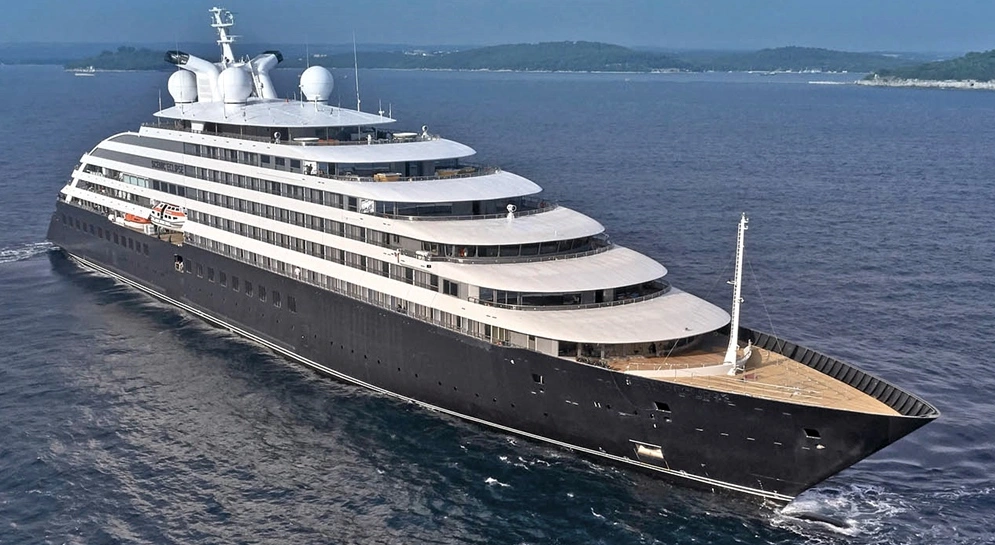
Europe Changes Slowly From the Water
European cities often feel more composed when approached by sea.
Train stations and airports compress arrivals into crowded corridors and fast transitions. Cruise routes slow the process down. Coastlines appear gradually. Church towers emerge behind hillsides. Apartment windows begin catching morning light long before the ship reaches the harbor.
Passengers usually gather on the outer decks early during European arrivals.
Some carry coffee from the lounge upstairs. Others remain wrapped in light jackets against the wind while port workers move quietly along the docks below. The atmosphere feels observant rather than excited. Even large ships tend to soften their energy during these approaches.
Scenic European cruising has become increasingly appealing partly because it restores a sense of physical geography to travel.
Distances feel visible again. Weather becomes part of the journey. Coastlines connect cities naturally instead of reducing them to isolated destinations on separate itineraries.
You begin noticing how regions transition into one another.
Mediterranean light changes gradually as ships move northward. Northern coastlines grow quieter and more dramatic. Harbors narrow unexpectedly in smaller towns where buildings seem to rise directly from the water’s edge.
Travel unfolds continuously instead of restarting every few days.
Mediterranean Routes and Coastal Living
Mediterranean cruises remain central to luxury ocean travel, though the atmosphere differs considerably depending on the route.
Western Mediterranean sailings tend to feel socially active and visually dense. Ships move between cities like Barcelona, Naples, Marseille, and coastal Italian ports where life continues visibly along the waterfront well into the evening. Outdoor cafés stay crowded. Scooters echo through narrow streets near the harbor. Laundry still hangs above quieter alleyways in older districts only minutes from luxury terminals.
Passengers return to the ship carrying that energy with them.
Upper decks remain busy after departure. Outdoor dining stretches late into the night. Balconies stay open while warm air moves across the water and distant coastline lights remain visible for hours.
Eastern Mediterranean routes feel slightly different.
The pace softens around smaller Greek islands, sections of Croatia, and quieter Adriatic ports where arrivals happen more gently. Whitewashed buildings appear against dry hillsides. Fishing boats remain tied along narrow harbors beside cafés opening slowly for the morning.
Some travelers spend entire afternoons simply watching these coastlines from the ship rather than rushing ashore immediately.
Evenings Along the Amalfi Coast
Certain departures stay with passengers long after the voyage ends.
The Amalfi Coast is one of them.
As ships pull away near sunset, the cliffs darken gradually while scattered hillside homes begin glowing above the shoreline. Restaurants along the water remain active far below. Smaller boats continue crossing the harbor long after the larger vessels turn toward open sea.
Passengers tend to linger outside during these evenings.
Conversations quiet slightly. Wine glasses sit untouched for long stretches. Even people who spent the afternoon exploring crowded streets often return to the outer decks simply to watch the coastline disappear slowly into darkness.
The movement itself becomes part of the memory.
Northern Europe and the Changing Light
Northern European cruises create an entirely different atmosphere onboard.
The scenery feels larger, quieter, and more weather-dependent. Fjords narrow unexpectedly beneath steep cliffs. Small villages appear briefly between low clouds before fading behind the ship. Water conditions shift constantly as weather systems move across the coastline.
Passengers behave differently in these environments.
Observation lounges fill earlier in the day. People dress in layers and remain outside longer than expected despite colder temperatures. Coffee consumption noticeably increases during scenic passages through Norway or Iceland.
The changing light shapes everything.
Summer sailings through Scandinavia often remain bright well into late evening, creating long stretches of soft gray-blue light across the water that never fully disappears. During colder months, darkness arrives earlier and turns panoramic lounges into some of the most comfortable spaces onboard.
Travelers settle into these rhythms quickly.
Fjords That Silence the Ship
Norwegian fjords have a strange effect on cruise passengers.
Even large ships feel quieter there.
As vessels move deeper into narrower waterways, deck activity slows naturally. People stop talking mid-conversation while watching waterfalls descend along distant cliffs or low cloud cover drift across mountain ridges.
The scale changes perspective.
Buildings become sparse. Roads disappear entirely for stretches. The sound of the ship itself becomes more noticeable against the surrounding stillness, especially during early morning passages when passengers gather silently near railings before breakfast service begins.
Luxury suites matter particularly on these routes.
Large windows and sheltered balconies allow travelers to remain connected to the scenery even during rain, wind, or colder temperatures. Some passengers barely leave their suites for hours during fjord sailings because the landscape outside changes constantly.
Iceland and Open Water
Cruises around Iceland attract travelers interested in environmental drama more than urban tourism.
The weather remains unpredictable even during summer months. Low fog can conceal entire coastlines before suddenly lifting again. Harbors feel functional and weathered rather than polished. Volcanic landscapes create darker tones throughout the journey.
Inside the ship, passengers settle into slower routines.
Books appear in lounges more often. Spa areas stay active during colder afternoons at sea. Restaurants feel quieter during rougher crossings while large windows frame gray water stretching uninterrupted toward the horizon.
Ocean travel feels especially immersive in these regions because the environment refuses to stay static for long.
River Mouths, Smaller Ports, and Coastal Towns
Some of Europe’s most memorable cruise experiences happen far from major capitals.
Smaller ports create softer arrivals.
Ships docking along river mouths in Portugal, coastal towns in southern France, or quieter Baltic harbors often feel more connected to local daily life than major cruise terminals handling thousands of passengers simultaneously.
You notice ordinary details more clearly in these places.
Bakery deliveries happening before sunrise. Harbor cafés arranging outdoor chairs while the ship approaches. Church bells carrying across the water during early morning docking procedures. Local fishing boats returning before tourist activity begins.
Premium cruise itineraries increasingly include these smaller ports because travelers value atmosphere as much as landmark tourism now.
The strongest routes create balance between larger cultural destinations and quieter coastal environments where passengers can move more slowly for a day.
The Baltic’s Reserved Beauty
Baltic cruises carry a calmer energy than Mediterranean routes.
The architecture changes noticeably as ships move between Copenhagen, Stockholm, Helsinki, Tallinn, and smaller regional ports. Colors soften. Harbors feel more structured. Even busy waterfront districts maintain a certain restraint compared to southern Europe.
Passengers adapt accordingly.
Dining stretches later indoors rather than outdoors. Observation spaces remain busy throughout the day because the scenery stays visible constantly from the water. Coastal forests and scattered islands create uninterrupted visual movement between ports.
Some evenings barely darken at all during summer sailings.
Passengers remain outside far later than intended simply because the fading light never fully disappears across the horizon.
Life Onboard Between European Ports
One reason European cruising continues attracting experienced travelers is the balance between movement and recovery.
Cities like Rome, Athens, Barcelona, or Istanbul can feel intense after full days ashore. Returning to the ship creates an immediate contrast — quieter hallways, controlled lighting, slower pacing, steady ocean movement beneath the floors.
Passengers settle into familiar onboard habits surprisingly quickly.
Morning espresso in the same café. Reading near panoramic windows during sea days. Late dinners after evening departures from busy ports. Watching weather shift across the coastline from private balconies while unpacked luggage remains untouched for days at a time.
Luxury cruise suites increasingly support these routines intentionally.
Modern accommodations emphasize comfortable seating, larger terraces, soft lighting, and residential layouts because travelers spend significant time inside them between excursions.
The suite becomes less like temporary lodging and more like a stable private space moving steadily across Europe’s coastline.
Observation Lounges and Quiet Hours
The most valued spaces onboard are often the quietest ones.
Observation lounges positioned high above the water remain occupied throughout European itineraries, especially during scenic departures or rough weather conditions. Passengers gather there with books, coffee, or simply silence while coastlines move slowly outside the glass.
Rain changes the atmosphere entirely.
Lounges fill earlier. Deck chairs empty quickly. Conversations soften beneath the sound of weather against the windows. Staff move calmly between tables while ships continue steadily toward the next port regardless of conditions outside.
There is comfort in that continuity.
European cruise travel allows passengers to experience changing geography without constant logistical effort. The ship handles movement while travelers focus instead on atmosphere, scenery, and the gradual unfolding of the route itself.
Why European Ocean Travel Endures
Europe works especially well for cruise travel because the coastline remains deeply connected to history, trade, architecture, and everyday life.
Cities face the sea directly. Harbors still function as active parts of urban life rather than isolated tourist zones. Coastal geography shapes culture visibly from one region to the next.
Travelers notice these differences more clearly from the water.
Northern Europe feels quieter and more spacious. Mediterranean regions remain visually layered and socially active. Baltic coastlines introduce cooler tones and slower pacing. Atlantic routes feel broader and more weather-driven.
The ship ties these environments together continuously.
That continuity matters.
Instead of compressing destinations into disconnected flights and hotel stays, cruise travel allows travelers to observe how landscapes, weather, architecture, and daily routines evolve gradually across entire regions.
By the final days of longer European sailings, many passengers stop rushing toward the next destination entirely.
They spend more time simply watching the coastline from the deck while the ship moves steadily onward.
That slower attention may be one of the most valuable luxuries modern travel still offers.
FAQs
Which European cruise regions offer the best scenery?
Norway’s fjords, the Mediterranean coastline, Icelandic routes, and Baltic sailings are especially popular for travelers seeking visually immersive ocean scenery throughout the journey.
Are European cruises more active than tropical cruises?
Often, yes. European itineraries usually involve more cultural excursions, historic cities, and walking ashore, balanced by quieter sea days between destinations.
When is the best time for scenic European cruising?
Late spring through early autumn generally offers the most comfortable weather and longest daylight hours, particularly for Northern Europe and Baltic itineraries.