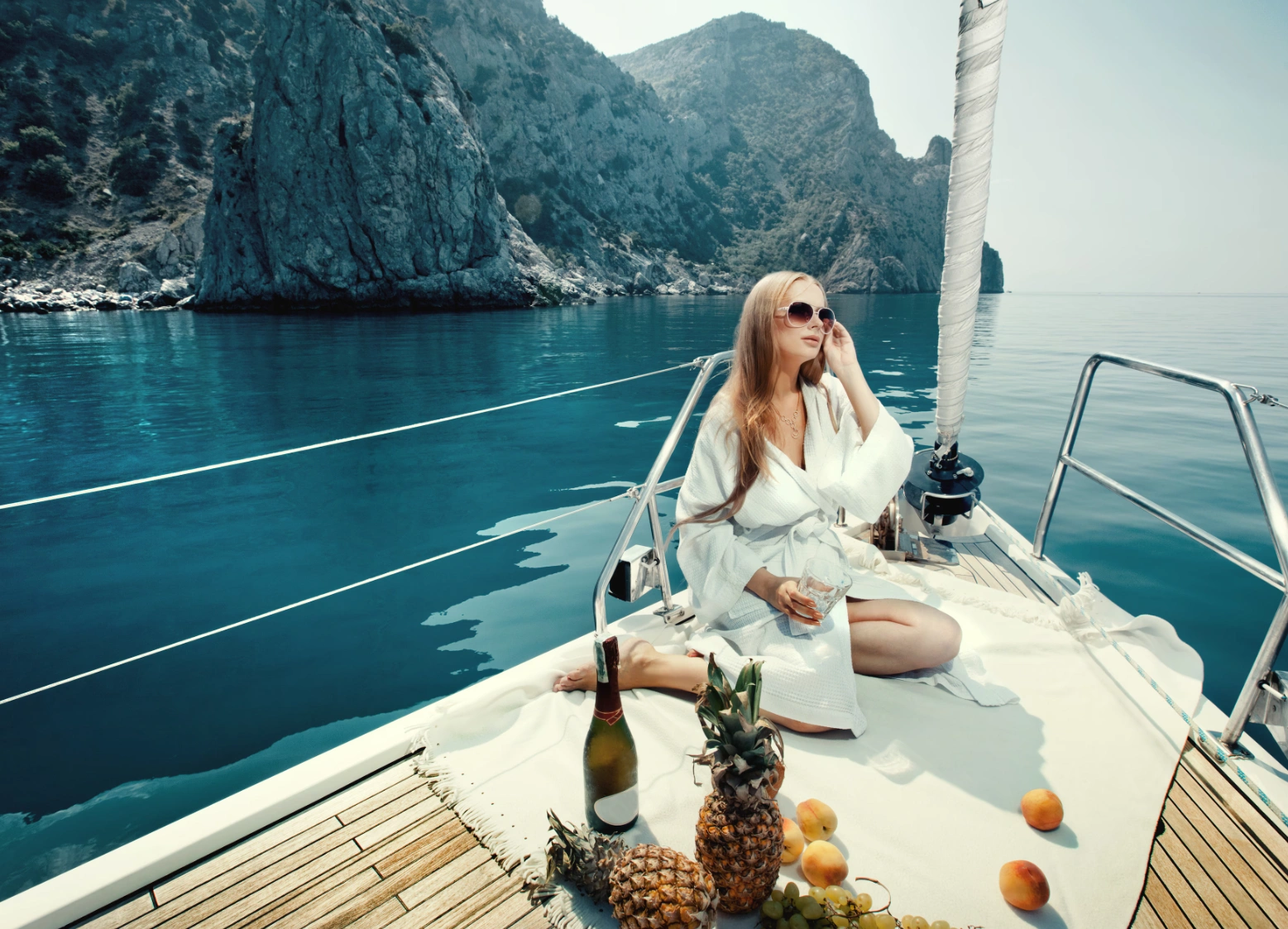
The late evening ferries crossing the Adriatic are quieter than they used to be. You notice it standing near the outer deck railings after dinner, where conversations soften beneath the sound of water moving along the hull. A few passengers remain outside despite the temperature dropping. Glasses sit half-finished beside folded jackets. Somewhere toward the stern, silverware is still being cleared from the final seating.
European luxury travel has shifted gradually in recent years, though not always in obvious ways. The changes appear in smaller decisions first. Travelers stay longer in one region instead of moving rapidly between capitals. Afternoon schedules loosen. Hotels place more emphasis on natural light, local stone, linen textures, and open terraces rather than spectacle. Ocean travel, once centered around packed itineraries, now leans toward slower coastal movement and quieter onboard routines.
Across Southern Europe especially, luxury increasingly feels tied to space, weather, pacing, and atmosphere rather than visibility. Travelers still arrive in places like the Amalfi Coast, the Greek islands, the Côte d’Azur, or the Balearics, but the tone has changed slightly. There is less urgency around seeing everything. More attention goes toward where mornings begin, how evenings unfold near the water, and whether a place feels comfortable enough to remain still for several hours without needing entertainment.
Some of that change reflects fatigue with crowded schedules. Some of it reflects a broader shift in how modern travelers define comfort. Either way, Europe’s luxury travel culture has become more observational and less performative than it once appeared.
Coastal Routes and the Return of Ocean Travel
Luxury cruising across Europe has quietly regained momentum, though not in the oversized, theatrical way associated with earlier cruise eras. The newer appeal often lies in smaller vessels, slower routes, and itineraries that allow travelers to experience coastlines gradually instead of treating ports like checkpoints.
Mediterranean journeys remain central to this movement. Routes through Croatia, southern Italy, Montenegro, and parts of Greece continue attracting travelers who prefer smaller harbors and walkable waterfront towns over large commercial terminals. Early mornings in these ports tend to feel understated. Delivery boats move between marinas while café staff arrange outdoor seating before the heat arrives. By nine o’clock, polished gangways begin lowering toward stone docks that already smell faintly of seawater and espresso.
The ships themselves have changed in atmosphere too. Public spaces are brighter and more residential in tone than older cruise interiors. Pale oak flooring, textured fabrics, indirect lighting, and oversized windows appear almost everywhere now. Lounges stay active throughout the day without becoming loud. Some passengers read for hours near observation decks while others move between shaded terraces carrying coffee or mineral water.
During longer sea days, routines emerge naturally. Breakfast extends late into the morning. Smaller groups gather near open-air dining sections after lunch as coastlines drift in and out behind layers of haze. On cooler routes farther north, passengers tend to remain near indoor windows watching weather move across the Baltic or Norwegian coast.
There is less pressure to constantly participate in scheduled activities. That absence of urgency may explain why ocean travel feels appealing again to many experienced travelers.
Northern European Voyages
Northern Europe has developed a quieter kind of luxury audience in recent seasons. Scandinavian coastal routes, Norwegian fjord journeys, and sailings through the Baltic attract travelers looking for cooler climates, subdued architecture, and longer daylight hours.
The atmosphere differs noticeably from Mediterranean itineraries. Dining rooms empty earlier. Observation decks stay busy late into the evening because sunset arrives slowly during summer months. In places like Bergen or Ålesund, weather changes several times within a single afternoon. Rain moves across the harbor briefly before sunlight returns against dark hillsides and wet stone streets.
Passengers often dress more practically on these routes. Neutral outerwear replaces resort-style evening clothing. The social environment becomes calmer as well. Conversations settle into low tones around library lounges and whisky bars while ships continue north through narrow channels bordered by cliffs and scattered fishing villages.
Luxury here relies less on visual drama inside the ship and more on access to landscapes that remain difficult to experience comfortably without ocean travel.
Hotels Designed Around Light, Space, and Location
European luxury resorts have also become noticeably more restrained in design. The most successful properties no longer compete through ornament alone. Instead, they focus heavily on proportion, materials, privacy, and environmental integration.
Along parts of the Spanish and Italian coastline, newer resort renovations often preserve older stone structures while simplifying interiors. Rooms open wider toward terraces. Curtains remain sheer during daylight hours. Furniture tends to stay low and understated, allowing sea views to dominate naturally.
In coastal Portugal, several properties built near cliffs or quieter fishing towns emphasize exposure to weather and landscape rather than shielding guests from them entirely. Windows remain partially open in hallways. Salt air moves indoors. Outdoor breakfast areas operate even on cooler mornings with blankets folded across chair backs.
These details matter because travelers increasingly spend more actual time inside hotels instead of treating them as temporary sleeping spaces between excursions. Afternoons once reserved for sightseeing are now often spent near shaded pools, spa terraces, or quiet lounges overlooking water.
The social behavior inside luxury resorts has evolved too. Public spaces no longer revolve entirely around display. Travelers work remotely from terrace cafés. Couples linger over late lunches without rushing toward scheduled activities. Solo travelers move comfortably between reading rooms, wine bars, and coastal walking paths without feeling out of place.
Some hotels now intentionally reduce entertainment programming altogether. The absence of constant activity creates a slower atmosphere that many travelers appear to prefer.
Dining Culture Moves Toward Regional Simplicity
One of the clearest shifts in European luxury travel appears in dining culture. Formal tasting menus still exist, especially in major culinary destinations, but travelers increasingly gravitate toward regional food presented with less ceremony.
Small coastal restaurants in Sicily, Corsica, and parts of coastal Greece often attract more repeat visitors than heavily publicized fine dining venues nearby. The appeal usually comes from setting and consistency rather than innovation. Fresh seafood displayed directly on ice. Bread arriving still warm near sunset. Outdoor tables positioned close enough to hear harbor ropes tapping against masts overnight.
Long lunches continue shaping travel routines across Southern Europe. Around two in the afternoon, resort terraces slow noticeably as guests settle into shaded dining areas for several hours. Rosé bottles remain on tables well after meals end. Staff move carefully through half-full dining rooms without interrupting conversations.
Luxury travelers also seem more interested in local wine production now than in recognizable international labels. Smaller vineyards across Croatia, northern Spain, and coastal France benefit from visitors seeking regional identity rather than prestige branding alone.
Even onboard dining aboard premium cruise lines reflects this broader change. Menus increasingly rotate around local ports and seasonal sourcing. Meals feel lighter and more geographically connected than standardized international dining once associated with cruising.
Quiet Bars and Evening Social Spaces
Late-night luxury travel culture has become calmer too.
In many European coastal destinations, travelers increasingly favor smaller bars, terrace lounges, and waterfront hotel spaces over crowded nightlife districts. Conversations extend later into the evening, but environments remain subdued. Music stays low enough for people to actually hear each other.
You notice this especially in smaller harbor towns after larger tour groups disappear for the night. Around eleven o’clock, waterfront promenades settle into a slower pace. A few hotel terraces remain lit softly beside the water. Staff fold umbrellas while guests linger over final drinks without much movement around them.
Inside luxury ships, evening life follows a similar pattern. Piano lounges, observation bars, and outdoor decks stay occupied long after formal entertainment ends. Some passengers continue watching coastlines fade into darkness while others simply remain seated beneath heat lamps speaking quietly over cocktails.
The social energy feels less performative than it once did. More relaxed. Less interested in proving anything.
Scenic Rail and Coastal Movement
Not all luxury travel trends across Europe revolve around the sea. Rail travel continues gaining attention among travelers who want slower transitions between destinations without sacrificing comfort.
Routes through Switzerland, northern Italy, Austria, and southern France remain especially popular because scenery changes gradually rather than abruptly. Travelers watch vineyards, mountain towns, lakes, and industrial outskirts pass naturally through wide carriage windows. The movement itself becomes part of the trip rather than dead time between destinations.
Modern luxury rail cabins also reflect the broader shift toward understated interiors. Soft lighting, textured upholstery, polished wood details, and quieter dining cars replace older forms of exaggerated glamour.
Some travelers now combine rail and coastal travel within the same itinerary. A week moving through Mediterranean ports may continue inland by train toward alpine resorts or wine regions farther north. Europe’s infrastructure allows these slower transitions to feel connected rather than fragmented.
That continuity matters. Luxury travelers increasingly appear willing to trade speed for cohesion.
Resort Wellness Without Excess
Wellness spaces across Europe have changed noticeably as well. Large spa complexes still exist, though many travelers now prefer smaller wellness environments integrated naturally into resorts rather than isolated as separate attractions.
In Greece and southern Italy especially, outdoor treatment areas overlooking the sea have become common features. Saunas open toward cold-water plunge pools. Stone pathways connect gardens directly to coastal swimming platforms. Morning yoga sessions remain optional rather than heavily programmed.
The atmosphere around these spaces tends to stay intentionally quiet. Phones disappear naturally. Conversations lower without instruction. Even during busy seasons, many luxury resorts design wellness areas to avoid overcrowding through smaller capacities and staggered scheduling.
There is less emphasis now on transformation or performance-driven wellness culture. Travelers appear more interested in rest, sleep quality, outdoor movement, and time away from crowded urban environments.
The Appeal of Staying Longer
One of the strongest luxury travel trends across Europe is simply staying longer in fewer places.
Instead of attempting six cities in ten days, travelers increasingly spend entire weeks along one coastline or within one region. The change affects everything from hotel design to restaurant culture and transportation choices.
Longer stays create familiarity. Travelers return to the same café each morning. Staff recognize preferences without formal introductions. Harbor routes become recognizable after several evenings. Weather patterns begin shaping daily routines naturally.
By the fourth or fifth day somewhere coastal, small environmental details start standing out more clearly. Laundry moving between balconies. Ferries arriving before sunrise. Reflections shifting across polished hotel corridors during late afternoon.
Those quieter observations tend to remain memorable long after more aggressively scheduled trips fade together.
Closing Reflections Along the Coast
Near the end of longer European journeys, travelers often become less concerned with documenting every location. Phones stay unused through entire meals. Time stretches slightly around slower mornings and late evening walks near the water.
You see it aboard ships during final sea days. Lounges remain occupied but quieter than they were at departure. Passengers sit facing windows while weather moves across open water in uneven bands of light. Crew members begin preparing the ship for arrival somewhere beyond the horizon, though nobody seems especially eager to rush toward it.
European luxury travel currently feels shaped by that same mood. Less acceleration. More attention to comfort that lasts beyond appearances. Hotels, cruise routes, restaurants, and resorts increasingly succeed when they create environments people do not immediately want to leave.
That may be the clearest trend of all.
FAQs
Why are longer stays becoming more common in European luxury travel?
Many travelers prefer slower itineraries that allow time to settle into a destination rather than constantly moving between cities. Coastal regions, smaller resorts, and regional dining cultures tend to feel more rewarding over several days instead of quick overnight visits.
What makes smaller luxury cruise routes appealing right now?
Smaller ships often access quieter harbors and less crowded coastal towns. The onboard atmosphere also tends to feel calmer, with more open space, fewer scheduled activities, and stronger connections to regional scenery and cuisine.
Are luxury resorts in Europe becoming less formal?
In many cases, yes. High-end resorts still focus heavily on service and comfort, but the atmosphere has become more relaxed. Travelers often prefer understated interiors, flexible schedules, outdoor dining, and environments that feel comfortable enough to spend entire days without formal structure.