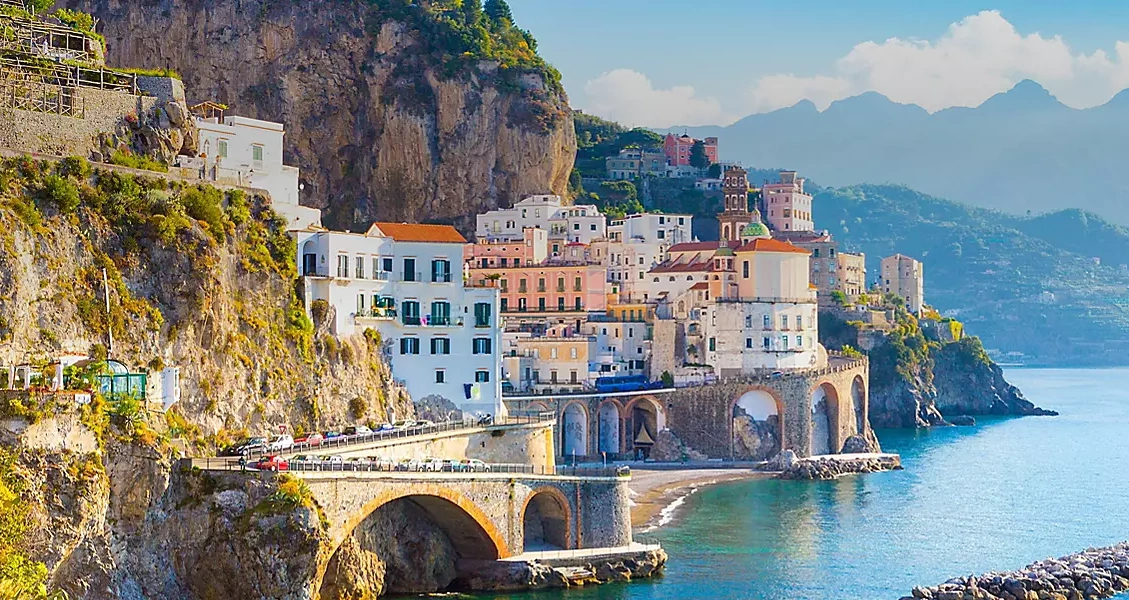
The Mediterranean Changes Once the Large Crowds Thin Out
The image most people associate with Mediterranean cruising is usually familiar: packed summer ports, crowded marinas, long excursion lines beneath intense afternoon heat.
But many of the most rewarding routes operating through the region look nothing like that.
Away from the heavily photographed circuits, smaller itineraries move through quieter coastlines where ships arrive slowly into fishing harbors, hillside towns, and older port cities that still feel tied to ordinary local rhythms rather than permanent tourism.
The atmosphere changes almost immediately.
Passengers spend less time rushing between landmarks and more time simply moving through places naturally — lingering at waterfront cafés, walking narrow residential streets after lunch, watching ferries arrive alongside local commuters instead of endless tour buses.
These hidden Mediterranean routes are not necessarily remote. Many sit only a short sailing distance away from the region’s busiest destinations. The difference lies mostly in pacing, ship size, and intention.
Smaller vessels. Longer stays. Fewer ports stacked tightly together.
The sea itself becomes more noticeable again.
The Adriatic Coast Still Feels Surprisingly Calm
The Adriatic remains one of the strongest alternatives to the crowded western Mediterranean, particularly for travelers looking for quieter scenery and slower movement between destinations.
Cruises along the coast of Croatia and Montenegro often pass through narrow channels lined with stone villages, forested hillsides, and marinas where sailboats outnumber large commercial vessels.
Morning arrivals here feel especially distinct.
Ships approach slowly beneath pale light while church towers and old defensive walls emerge gradually from the coastline. Laundry hangs from apartment windows above narrow alleys. Small cafés begin opening near the harbor before most passengers have even left breakfast service onboard.
Ports like Šibenik or Kotor carry a quieter atmosphere than larger Mediterranean cruise hubs.
Passengers wander more slowly. Outdoor lunches stretch well into the afternoon. Returning to the ship rarely involves heavy crowds or chaotic terminals.
Evenings onboard along the Adriatic feel calmer too.
Ships often remain close enough to shore that passengers can still see villages illuminated against the hills long after departure. Outdoor dining areas stay active beneath warm air while the coastline drifts quietly through darkness beside the vessel.
There is less pressure to constantly “do” something on these routes.
The scenery carries much of the experience on its own.
Smaller Greek Islands Offer a Different Experience Entirely
Large cruise ships still dominate destinations like Santorini and Mykonos during peak season, but many luxury itineraries now favor smaller islands where the atmosphere remains considerably softer.
Places such as Syros, Patmos, and Nafplio offer a noticeably different rhythm.
The ports feel residential rather than heavily commercialized. Ferries still dominate local transportation. Shops close briefly during the hottest afternoon hours. Waterfront restaurants fill gradually around sunset instead of immediately after excursion schedules end.
Cruise passengers onboard these itineraries often behave differently as well.
There is less urgency around sightseeing. More time spent sitting near the marina with coffee or wine. Some travelers never move far beyond the harbor itself before returning to the ship.
And honestly, many of these towns work best that way.
The appeal comes from atmosphere more than attraction lists.
Warm stone streets after dark. Fishing boats shifting gently against the docks. Balcony shutters opening above quiet alleyways while dinner service continues outside beneath low hanging lights.
These smaller Greek routes also create smoother onboard transitions because sailing distances remain relatively short.
Passengers fall asleep offshore from one island and wake near another without long overnight crossings interrupting the journey.
Southern Italy Beyond the Major Ports
Large Mediterranean itineraries often focus heavily on destinations like Naples or Rome, but smaller premium routes increasingly explore quieter areas along southern Italy where cruise travel feels less industrialized.
Ports along Puglia and Sicily carry a different visual atmosphere from the busier western Mediterranean hubs.
Fishing harbors remain active beside visiting ships. Local markets operate close to the waterfront. Residential neighborhoods still exist directly behind the port instead of endless tourism infrastructure.
Arriving into places like Syracuse or Monopoli feels noticeably more intimate than entering large cruise terminals built around mass tourism traffic.
Passengers often return onboard carrying small local purchases rather than organized excursion souvenirs — olive oil, wine, bread from neighborhood bakeries, handwritten restaurant recommendations folded into pockets.
The onboard atmosphere reflects that slower pace afterward.
Lunch service stretches longer. Afternoon lounges remain quiet. Many passengers spend sail-away watching the coastline rather than immediately disappearing into entertainment venues or crowded deck activities.
Smaller Italian routes preserve more of the connection between sea travel and coastal life itself.
You continue seeing ordinary communities rather than destinations designed entirely around visitors.
The French Riviera Has Quiet Corners Too
The southern coast of France still attracts enormous summer tourism, but experienced cruise travelers often favor itineraries that avoid the busiest periods and larger ports.
Outside peak midsummer, smaller Riviera routes become surprisingly calm.
Morning light across the marinas feels softer in early autumn. Restaurants reopen space along the waterfront once summer crowds thin slightly. Coastal trains move steadily through hillside towns while luxury ships anchor quietly offshore.
Ports near Villefranche-sur-Mer or smaller stretches of the Côte d’Azur work particularly well for boutique cruise vessels because passengers arrive closer to the center of daily local activity.
Not everything feels curated exclusively for tourism.
Older men still gather near fishing docks early in the morning. Apartment shutters open above cafés preparing breakfast. Delivery scooters move through narrow streets before luxury boutiques unlock their doors.
These details matter.
Hidden Mediterranean routes feel more believable because ordinary life remains visible around them.
Smaller Ships Transform the Entire Experience
Many hidden Mediterranean itineraries only work properly because they use smaller luxury vessels.
Large ships physically cannot access some of these harbors comfortably. Others overwhelm the atmosphere entirely once thousands of passengers arrive simultaneously.
Smaller ships create softer arrivals.
Passengers disembark gradually instead of flooding narrow streets all at once. Outdoor cafés remain manageable. Harbor promenades still feel navigable by late morning. Returning onboard feels calm rather than logistical.
Life onboard changes too.
Observation lounges stay quieter. Crew members recognize passengers quickly. Dining rooms feel less formal because the same groups naturally reconnect across multiple evenings.
Sea days aboard smaller ships also feel more connected to the environment outside.
Passengers spend more time outdoors watching coastlines pass because the vessel itself moves closer to the water visually. Wind, weather, and changing light remain more physically present throughout the journey.
That closeness helps restore some realism to luxury travel.
Hidden Routes Work Best During Shoulder Season
Timing shapes these Mediterranean itineraries almost as much as geography itself.
Late spring and early autumn usually provide the strongest balance between weather, crowd levels, and onboard atmosphere.
During these periods, the Mediterranean softens noticeably.
Temperatures remain warm but less exhausting. Restaurants feel calmer. Ports return slightly closer to ordinary local life after the intensity of midsummer tourism.
Passengers onboard also seem more relaxed during shoulder season sailings.
People linger longer over meals. Public decks stay comfortable throughout the afternoon instead of becoming too hot under direct sun. Evening outdoor spaces remain active much later because the air cools more gradually.
Even the light changes.
Autumn sailings especially create softer tones along the coastline during late afternoon departures. Hillside villages appear less harsh beneath lower sun angles while the sea reflects darker blue-gray tones instead of the bright white glare common during peak summer.
The Mediterranean feels older during these months.
More textured.
Less performative.
Why Travelers Keep Searching for Quieter Routes
Part of the appeal comes from avoiding crowds, certainly.
But hidden Mediterranean cruise routes offer something else too: continuity.
Passengers remain connected to the sea itself throughout the voyage rather than treating ports like isolated attractions separated by invisible overnight movement.
Distances feel understandable. Weather stays visible. Coastal transitions unfold gradually.
Travel becomes less about collecting destinations and more about inhabiting the route between them.
Luxury cruise culture increasingly values that slower awareness.
Not every traveler wants packed schedules anymore. Many people simply want time — time to sit near the water after lunch, time to watch coastal light changing from a balcony, time to remain onboard while smaller harbors drift past outside the windows.
These quieter Mediterranean routes allow that kind of travel surprisingly well.
And once passengers experience them, many rarely return to the larger mainstream itineraries afterward.
FAQs
Are hidden Mediterranean cruise routes usually operated by smaller ships?
Most of them are. Smaller vessels can access quieter ports and create a calmer onboard atmosphere with fewer passengers and less crowded excursions.
Which season feels best for quieter Mediterranean cruising?
Late spring and early autumn generally offer the best balance of comfortable weather, lighter crowds, and more relaxed port atmospheres.
Do these smaller Mediterranean routes still include famous destinations?
Sometimes, but usually in combination with lesser-known ports that create a slower overall pace and a more balanced onboard experience.